NEWARK, Del, March 04, 2025 (GLOBE NEWSWIRE) -- The fiber cement market is evolving rapidly, fueled by a growing emphasis on sustainability and advanced construction materials. The industry has seen a shift from traditional building materials like wood and vinyl to fiber cement due to its superior durability, fire resistance, and eco-friendly composition.
With governments worldwide enforcing stricter building codes and sustainable construction practices, fiber cement products have emerged as a key solution for modern architecture. The global fiber cement market is projected to grow at a CAGR of 4.5% between 2025 and 2035, reaching a valuation of over USD 30.8 billion.
By chemically interacting with water, cement generates a hard stone, and the reinforcement of fibre in the mixture improves the attributes of building and construction materials such as strength and lifespan. The current building industry is finding the unique and creative benefits of employing fibre cement in numerous construction applications like as cladding and roofing all around the world.
In such industrial applications, the major role of fibre cement is to increase performance qualities while lowering the commercial value of building and construction materials. The fibre cement market is predicted to increase in the next years, owing to the increasing uses of fibre cement in current construction operations and its distinctive characteristics and qualities.
Discover key market opportunities – Request your sample report now! https://www.futuremarketinsights.com/report-sample#5245502D47422D333636
Market Key Trends
- Sustainable Fiber Cement Products Gaining Traction: The rising adoption of green building materials has propelled the demand for fiber cement products. Manufacturers are focusing on reducing carbon footprints by adopting eco-friendly raw materials, increasing the market appeal of sustainable fiber cement panels.
- Weather-Resistant Fiber Cement Panels Drive Market Expansion: The construction industry is witnessing a shift towards weather-resistant materials, with fiber cement panels offering unmatched performance in extreme climatic conditions. These panels provide moisture resistance, making them ideal for coastal and high-humidity regions.
- Innovations in Fiber Cement Technology Enhancing Product Performance: Advancements in fiber cement manufacturing have led to improved product strength, energy efficiency, and better aesthetics. New lightweight fiber cement sheets are gaining popularity, reducing installation costs and making construction more efficient.
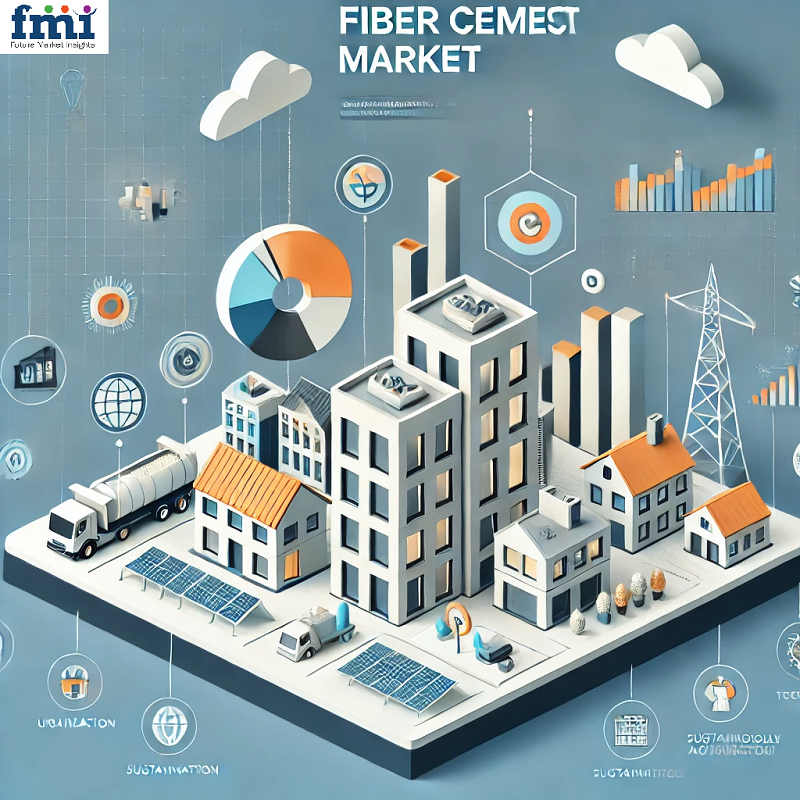
Which are Some Prominent Drivers of Fiber Cement Market?
Superior Performance Advantages over Conventional Cement Materials Will Sustain Growth
Fiber cement, as an essential component of the building and construction materials sector, is largely utilised in both interior and exterior applications such as siding, roofing, and cladding, moulding and trimming. Building and construction materials used in interior and outdoor applications must have certain chemical and physical qualities to survive the potentially negative effects of elements such as weather, temperature, and humidity.
Fiber cement is in high demand because to its superior performance advantages over traditional cement, such as its capacity to withstand extreme weather conditions, resistance to warping and sagging, low maintenance requirements, humidity resistance, and fireproof capabilities.
Such distinct and advantageous properties of fibre cement are encouraging stakeholders in the construction industry to replace traditional building & construction materials such as wood and vinyl with fibre cement, which is expected to create lucrative sales opportunities for players in the global fibre cement market.
Silica Segment to Witness Growth Driven by Structural and Durability Benefits
The silica segment within the fiber cement market is set to experience significant growth due to its critical role in enhancing structural integrity and durability. Silica is a primary component in fiber cement, helping to improve strength, reduce cracking, and extend product lifespan. The increasing demand for resilient and weather-resistant building materials in both residential and commercial construction is fueling this trend.
One of the key reasons for silica’s dominance in fiber cement production is its ability to reinforce cementitious materials, providing enhanced resistance to thermal fluctuations, moisture, and chemical exposure. The shift toward sustainable and long-lasting construction materials has further accelerated the adoption of silica-infused fiber cement products. Builders and contractors prefer these materials for applications such as roofing, siding, and cladding, where structural stability is paramount.
Residential Construction Drives Increased Demand for Fiber Cement Products
The residential construction sector is a major driver of fiber cement product demand, with increasing urbanization and infrastructure development playing a crucial role. The rise in single-family homes, multi-unit dwellings, and renovation projects has led to a growing need for durable, cost-effective, and environmentally sustainable building materials. Fiber cement products, including siding, roofing, and decorative panels, are increasingly preferred due to their strength, fire resistance, and low maintenance requirements.
As homeowners and developers focus on long-lasting and aesthetically appealing solutions, fiber cement materials are gaining traction over traditional alternatives such as wood and vinyl. The material’s resistance to moisture, pests, and extreme weather conditions makes it ideal for various climatic regions, further boosting its adoption. Moreover, governments worldwide are implementing stringent energy efficiency and fire safety regulations, making fiber cement a compliant and attractive option for residential buildings.
“The fiber cement market is experiencing significant traction due to its durability and sustainable properties. Weather-resistant fiber cement panels are in high demand as the construction industry moves towards resilient structures,” says Nikhil Kaitwade, Associate Vice President at Future Market Insights (FMI).
Discover Key Market Trends – Read the Complete Report! https://www.futuremarketinsights.com/reports/fiber-cement-market
Key Takeaways from the Fiber Cement Market Study
- The fiber cement market is projected to grow at a CAGR of 4.5%, reaching USD 30.8 billion by 2035.
- Sustainable fiber cement products are gaining traction due to environmental regulations and green building trends.
- Weather-resistant fiber cement panels are increasingly used in commercial and residential construction.
- Smart fiber cement technology is expected to enhance product durability and energy efficiency.
- The Asia-Pacific region is witnessing rapid fiber cement market expansion, driven by infrastructure growth.
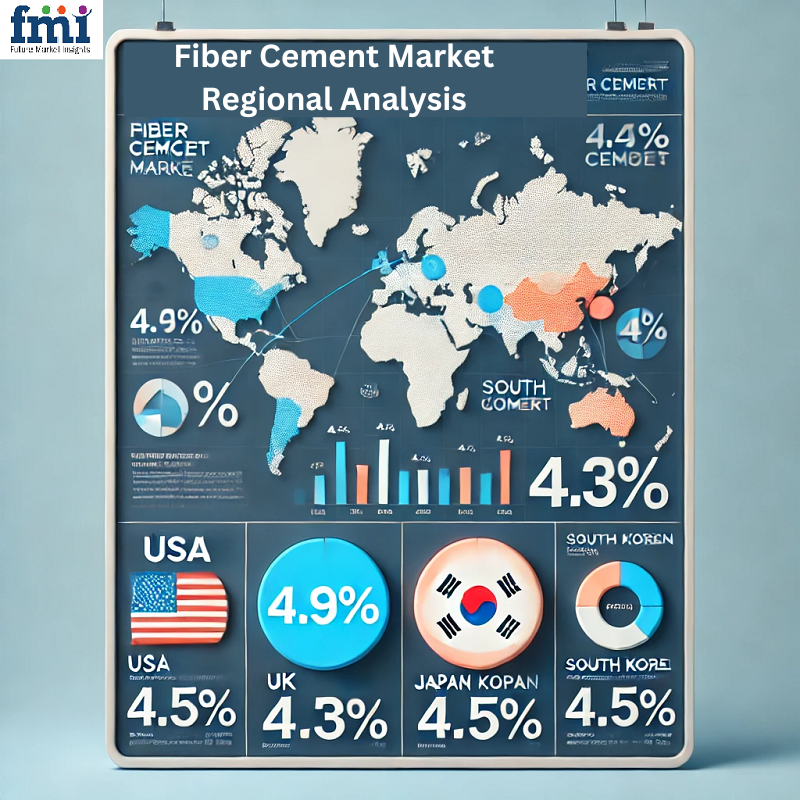
What are the Challenges Faced by the Fiber Cement Market?
The popularity of Low-Cost Asbestos-based products may eat into Fiber Cement's Market Share
While most industrialised nations are turning to fibre cement for its superior performance qualities and environmental benefits, demand for asbestos-based construction materials remains high in several emerging economies such as Brazil and India.
Building and construction materials made from asbestos are favoured by end users in the construction sectors of emerging nations because to their low cost and global availability. Leading competitors in the fibre cement market will need to focus their efforts on raising end-user knowledge of the health and environmental risks associated with asbestos-based building materials in order to encourage a transition toward safer and better fibre cement.
Furthermore, fibre cement is losing market share to less expensive alternatives to asbestos-free fibre cement, which will spark a surge of innovation throughout the fibre cement market in order to capture this market share in emerging nations.
Category-Wise Insights
Which Application Segment is expected to Account for the Greatest Share of the Fiber Cement Market?
High Demand for Siding Sector to Drive Market Growth
Cladding, siding, backer boards, molding and trimming, roofing, wall partitions and others applications are divided into categories. The siding sector is projected to dominate the market. The most common application of fibre cement in residential and non-residential construction is siding.
Fiber cement is put to the outside edges of walls in this application to protect them from the impacts of adverse weather conditions. Furthermore, fibre cement siding enhances the visual appeal of structures. Fiber cement siding is inexpensive and ideal for areas prone to harsh weather.
Which is the Most Preferred Type of Raw Material in Fiber Cement Market?
Portland Cement to Gain Momentum Worldwide
On the basis of raw material, the fiber cement market is classified into Portland cement, sand, cellulosic material (fibre), and others. During the projected period, the Portland cement sector is expected to dominate the market. Portland cement is a commonly utilised form of cement used to make concrete and mortar, therefore market development in this category is quicker.
Portland cement is primarily composed of silica, calcium, alumina, and iron. It is a fairly cost and generally available material, making it one of the most extensively used building materials worldwide. As a result, the Portland cement segment's significant advantages drive market expansion.
Request Free Sample Now: https://www.futuremarketinsights.com/report-sample#5245502D47422D333636
Competitive Landscape
The fiber cement industry is highly competitive, with global leaders and regional manufacturers driving innovation and market expansion. Companies in this sector focus on developing durable, fire-resistant, and eco-friendly solutions for applications such as roofing, siding, and cladding. Market growth is fueled by increasing urbanization, rising demand for sustainable building materials, and advancements in fiber cement manufacturing technology.
Leading players in the fiber cement industry are investing in R&D to enhance product quality and sustainability. Major companies include:
- James Hardie Industries – A market leader in fiber cement siding and panels.
- Etex Group – A key manufacturer focusing on eco-friendly fiber cement boards.
- Cembrit Holding A/S – Specializes in lightweight and durable fiber cement solutions.
- NICHIHA Corporation – Innovating pre-finished fiber cement panel systems.
- SHERA – Producing high-quality fiber cement products for residential and commercial applications.
Recent Developments
- James Hardie launched a new range of pre-finished fiber cement siding, reducing on-site painting costs.
- Etex Group announced plans to introduce bio-based fiber cement materials by 2030.
- Cembrit Holding expanded operations in Asia to meet rising construction demands.
The fiber cement market remains poised for exponential growth, driven by sustainability trends, technological advancements, and an increasing shift toward resilient and eco-friendly construction solutions.
General & Advanced Materials: Innovations, Market Dynamics, and Growth Strategies
Fiber Cement Market Segmentation
By Raw Materials:
By raw materials, the segmentation is as silica, Portland cement, cellulosic fiber, and others.
By End User:
By end user, the segmentation is as residential and non-residential.
By Application:
By application, the segmentation is as cladding, siding, backer boards, molding and trimming, roofing, wall partitions, and others.
By Region:
By region, the segmentation is as North America, Latin America, Europe, Asia Pacific, and the Middle East & Africa.
Have a Look at Related Research Reports of Chemicals & Materials
Vinyl flooring market is projected to witness revolution growth in demand from 2025 to 2035.
Increasing industrialization and urbanization, as well as the increase of infrastructure development projects across the world are the primary drivers of the geosynthetics market.
Growing applications across the building, construction and transportation sectors are about to support steady growth of the Glass Fiber Reinforced Polymer (GFRP) composite market over the next few years.
The carbon fiber composites market is projected to expand from USD 23.7 billion in 2025 to USD 44.7 billion by 2035, growing at a CAGR of 6.5% during the forecast period.
The world carbon nanotube (CNT) market will expand significantly between 2025 and 2035 with the help of growing applications in electronics, automotive, aerospace, energy storage, and medicine.
The global aluminum sector grow in 2025 to 2035 with several sectors like automobile, aviation, real estate, packaging, and electrical uses intensifying demand.
The hollow fiber ceramic membranes market is anticipated to be valued at USD 200.1 million in 2025. It is expected to grow at a CAGR of 9.6% during the forecast period and reach a value of USD 500.5 million in 2035.
The advanced ceramics market size in 2025 was expected to be valued at USD 44 billion and is likely to reach nearly USD 70 billion in revenues by 2035, as per recent analysis by market research firm, Future Market Insights.
The global ceramic tiles market is expected to grow from USD 111.99 billion in 2025 to USD 224.47 billion by 2035, at a CAGR of 7.2%.
The ceramic sanitary ware market is projected to experience steady growth between 2025 and 2035, driven by factors such as urbanization and rising consumer demand for modern bathroom and kitchen designs.
About Future Market Insights (FMI)
Future Market Insights, Inc. (ESOMAR certified, recipient of the Stevie Award, and a member of the Greater New York Chamber of Commerce) offers profound insights into the driving factors that are boosting demand in the market. FMI stands as the leading global provider of market intelligence, advisory services, consulting, and events for the Packaging, Food and Beverage, Consumer Technology, Healthcare, Industrial, and Chemicals markets. With a vast team of over 400 analysts worldwide, FMI provides global, regional, and local expertise on diverse domains and industry trends across more than 110 countries.
Join us as we commemorate 10 years of delivering trusted market insights. Reflecting on a decade of achievements, we continue to lead with integrity, innovation, and expertise.
Contact Us:
Future Market Insights Inc.
Christiana Corporate, 200 Continental Drive,
Suite 401, Newark, Delaware - 19713, USA
T: +1-347-918-3531
For Sales Enquiries: sales@futuremarketinsights.com
Website: https://www.futuremarketinsights.com
LinkedIn| Twitter| Blogs | YouTube
