CARPINTERIA, Dec. 23, 2025 (GLOBE NEWSWIRE) -- This article contains affiliate links. If you purchase through these links, a commission may be earned at no additional cost to you. This compensation does not influence the accuracy, neutrality, or integrity of the information presented. This article is for informational purposes only and does not constitute medical advice. BPC-157 is a research-stage peptide without extensive human clinical trials. Always consult a qualified healthcare professional before starting any new supplement, especially if you have existing health conditions, take medications, or are pregnant or nursing.
If you're here because you saw a peptide ad and then searched "best oral BPC-157," the skepticism is healthy. BPC-157 is still a research-stage compound with limited human clinical evidence, so the only responsible way to evaluate a product like this is to separate (1) what the company discloses and can document (testing, formulation, policies) from (2) what preclinical research suggests in animals or lab settings, and (3) what remains unproven in humans. This article walks through those layers so readers can decide—without hype—whether this category even belongs in their wellness plan.
Social media feeds show growing interest in peptide therapy this holiday season, and BPC-157 has emerged as one of the most discussed compounds in the longevity and recovery supplement space. As people search for "ProHealth BPC-157 review" and "is ProHealth BPC-157 legit" following ad exposure, one question dominates: How do you evaluate quality and legitimacy in a market flooded with unverified peptide products?
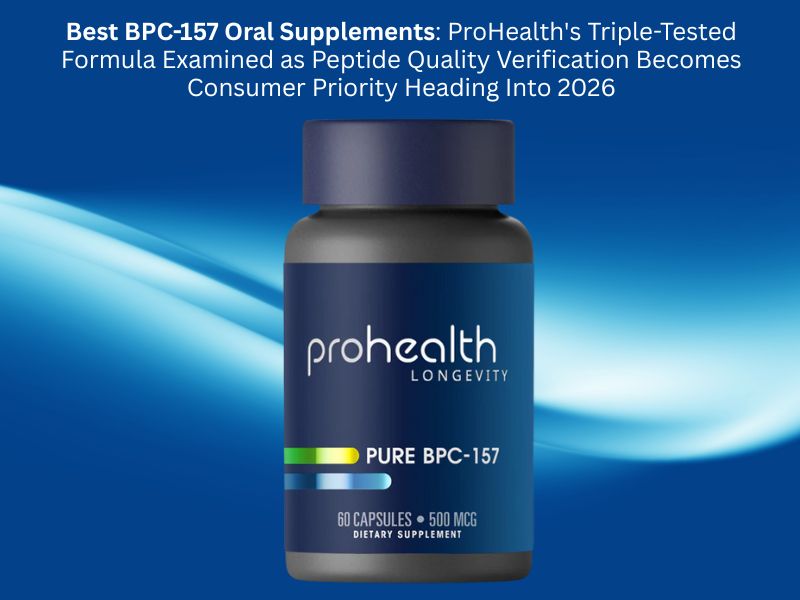
ProHealth Longevity, a supplement company with over 36 years of operation and an A+ Better Business Bureau rating, has entered the oral BPC-157 market. According to the company's website, ProHealth BPC-157 is described as containing 500mcg of what the company characterizes as pharmaceutical-grade BPC-157 in arginate salt form, with pricing listed on the product page and subject to change.
This analysis examines what ProHealth discloses about testing and formulation, what the preclinical research actually indicates about BPC-157, how oral delivery compares to injectable protocols, and what evaluation criteria matter when assessing products in this research-stage category.
What Is ProHealth Longevity? Company Background and Legitimacy Verification
Before evaluating any peptide supplement, establishing company legitimacy is essential. The peptide market has seen an influx of new vendors over the past 24 months, many with minimal track records and questionable quality standards. ProHealth Longevity presents a different profile.
Founded in 1988, ProHealth has operated in the supplement industry for 36 years—significantly longer than most peptide-specific vendors that have emerged recently. According to the Better Business Bureau, the company maintains an A+ rating, a designation that requires sustained customer satisfaction and ethical business practices over extended periods. ProHealth is based in Carpinteria, California, with verifiable contact information including phone lines staffed Monday through Friday, 8am to 5pm Pacific Time.
The company's evolution into peptide supplementation represents an extension of its existing focus on longevity and cellular health products, including NAD+ boosters like NMN and Nicotinamide Riboside. According to company materials, the company describes its manufacturing as occurring in FDA-registered, GMP-certified facilities in the United States, adhering to what the company characterizes as pharmaceutical-grade production standards even for dietary supplements.
What distinguishes ProHealth's approach in the peptide category, according to the company, is a triple third-party lab testing protocol. The company states that each batch of BPC-157 undergoes independent verification for identity, purity, and potency at three separate laboratories. According to company disclosures, this testing screens for contaminants including heavy metals, microbial pathogens, and residual solvents. The company makes Certificates of Authenticity viewable by customers, providing transparency uncommon in the peptide supplement space where many products rely solely on manufacturer claims.
For customers researching "is ProHealth BPC-157 legit," these verifiable factors—decades of operation, BBB rating, transparent contact information, and independent lab testing—provide objective legitimacy markers beyond marketing claims. For complete company history and quality standards, view the current ProHealth BPC-157 offer (official ProHealth page).
What Is BPC-157? Understanding the Research-Stage Peptide
BPC-157, or Body Protection Compound 157, is a synthetic 15-amino acid peptide sequence derived from a protective protein naturally occurring in human gastric juice. The compound was originally studied in preclinical research for its potential gastric protective properties, with early animal model studies examining its effects on stomach lining integrity.
Over the past two decades, preclinical research has expanded to investigate BPC-157's potential effects on various tissue types beyond the gastrointestinal system. Laboratory studies using animal models have explored mechanisms including angiogenesis (new blood vessel formation), modulation of inflammatory pathways, and cellular processes in tendons, ligaments, muscles, and connective tissues. These are animal model findings. Human clinical evidence remains limited.
It is critical to understand what BPC-157 is NOT: It is not an FDA-approved drug. It is not a medication with established clinical dosing protocols. It does not have extensive human clinical trial data demonstrating safety and efficacy for specific medical conditions. BPC-157 exists in a regulatory category as a dietary supplement ingredient, meaning it can be legally sold for general wellness purposes but cannot be marketed to treat, cure, or prevent diseases.
What the Research Suggests vs. What Remains Unproven:
Animal Studies: Laboratory research using rodent models has examined tissue processes, inflammatory responses, and biological mechanisms. These studies have shown effects in controlled animal settings but do not directly translate to guaranteed human outcomes.
In Vitro Studies: Test tube and cell culture research examining how BPC-157 interacts with cellular pathways, growth factors, and signaling molecules.
Limited Human Data: Very few human clinical trials exist, and those that do are generally small-scale, preliminary investigations. The peptide therapy community relies heavily on animal model data when discussing potential applications, but this creates significant gaps in understanding human safety, dosing, and effectiveness.
According to preclinical research published in peer-reviewed journals, BPC-157 has been studied for its potential interactions with several biological pathways in animal models:
VEGF (Vascular Endothelial Growth Factor) Pathway: Animal studies suggest BPC-157 may interact with angiogenesis pathways. Human relevance unproven.
Inflammatory Modulation: Laboratory research indicates BPC-157 may interact with inflammatory signaling pathways in controlled settings. Human clinical applications remain unestablished.
Collagen and Tissue Processes: Some preclinical studies have examined whether BPC-157 influences biological processes in connective tissues in animal models. Translation to human tissue outcomes is not demonstrated.
Gut-Associated Pathways: Given its origin as a gastric protective compound in animal research, studies have explored potential effects in laboratory models. Human gut applications lack clinical trial support.
This is ingredient-level research; ProHealth BPC-157 as a finished product has not been clinically studied in humans. The preclinical findings are promising enough to generate interest in the longevity and athletic performance communities, but they do not constitute proof of specific outcomes in any individual human user.
Anyone considering BPC-157 must understand they are exploring a research-stage compound with limited human safety data, not a proven medical treatment. ProHealth publishes detailed information about their arginate salt formulation and oral delivery advantages on the official product page (official ProHealth page).
The Oral vs. Injectable Question: Addressing the Primary Objection
For individuals researching "does oral BPC-157 work," this section addresses the most significant technical question surrounding ProHealth's product: Can a peptide traditionally administered via injection be effective when taken orally?
Historically, most peptides have been considered ineffective when swallowed because digestive enzymes in the stomach and small intestine break down protein structures before they can be absorbed. This is why insulin, growth hormone, and many other peptide-based medications require injection—oral administration would result in degradation before the compound reaches systemic circulation.
BPC-157 presents unique considerations in this regard. According to the company, the arginate salt form of BPC-157 has been studied for its potential stability in acidic gastric environments. Unlike some peptides that are immediately destroyed by stomach acid, research suggests the arginate salt formulation may maintain structural integrity long enough to pass through the stomach. However, human bioavailability data for oral BPC-157 is not established through published pharmacokinetic studies.
Several factors support the theoretical viability of oral BPC-157, though human outcomes remain unproven:
Gastric Stability: BPC-157 was originally studied for gastric protection in animal models, meaning the compound was administered directly into the stomach in research settings. This suggests inherent stability in acidic environments that many other peptides lack, according to preclinical findings.
Local GI Effects: For applications related to gut lining, oral administration may provide direct topical contact with intestinal tissues in theory. Clinical evidence for this mechanism in humans is limited.
Arginate Salt Formulation: The arginate salt form has been studied for enhanced stability compared to the acetate salt form commonly used in injectable preparations in laboratory settings. The company's choice of arginate salt reflects this research literature.
Precedent in Animal Research: Multiple animal model studies have used oral administration of BPC-157, demonstrating biological effects through this route in controlled laboratory conditions. Animal physiology differs significantly from humans, limiting direct translation.
However, honest evaluation requires acknowledging the limitations and unknowns:
Bioavailability Uncertainty: The percentage of orally administered BPC-157 that reaches systemic circulation in humans is not definitively established through published pharmacokinetic studies. Injectable administration likely achieves higher blood concentrations, though comparative human data does not exist.
Dosing Equivalency Unknown: There is no established conversion factor between oral and injectable dosing based on human clinical trials. Injectable users typically administer 250-500mcg twice daily (500-1000mcg total). The company recommends 500mcg once daily orally. Whether these are equivalent in biological effect is not proven through comparative human studies.
Individual Variation: Factors including stomach acid levels, digestive enzyme activity, gut health status, and absorption capacity vary significantly between individuals, potentially affecting oral BPC-157 effectiveness differently for different users.
Practical Considerations Favoring Oral Delivery:
Beyond bioavailability questions, oral administration offers significant lifestyle advantages that make peptide therapy accessible to a broader population:
No Injection Requirement: Many individuals interested in tissue support supplementation are deterred by injection protocols. Fear of needles, concerns about sterile technique, discomfort, and the psychological barrier of self-injection all limit adoption of injectable peptides.
Convenience: Once-daily oral dosing integrates seamlessly into existing supplement routines. No refrigeration, measuring, or drawing doses required.
Travel Compatibility: Capsules travel easily without concerns about maintaining cold chain, carrying syringes through security, or finding private space for injections.
Lower Barrier to Entry: Oral peptides allow individuals to explore tissue support supplementation without committing to injection protocols, making it appropriate for peptide therapy beginners.
Regulatory Simplicity: As a dietary supplement, oral BPC-157 does not require prescriptions, medical consultations, or relationships with compounding pharmacies that characterize many injectable peptide protocols.
Who Each Format May Suit:
Oral BPC-157 May Be Preferable For:
- Individuals needle-averse or injection-hesitant
- Those seeking convenient once-daily supplementation
- Peptide therapy beginners exploring the category
- People with active travel schedules
- Those primarily interested in gut health applications (topical GI contact)
- Individuals preferring established supplement companies over gray-market sources
Injectable BPC-157 May Be Preferable For:
- Experienced peptide users comfortable with injection protocols
- Those working with knowledgeable practitioners providing dosing guidance
- Individuals seeking maximum potential bioavailability
- People with access to quality compounding pharmacies
- Users able to maintain twice-daily injection schedules
Neither format is objectively superior for all users. The choice depends on individual priorities regarding convenience, bioavailability optimization, comfort with administration methods, and integration with existing health routines.
Who Uses BPC-157? Understanding the Peptide-Curious Population
The individuals exploring BPC-157 supplementation span diverse backgrounds, ages, and health goals, but common themes emerge in the peptide-curious population:
Active Adults Experiencing Recovery Challenges: Many BPC-157 users are individuals in their 40s, 50s, and 60s who maintain active lifestyles but notice their bodies no longer recover as quickly from physical stress. Weekend warriors, recreational athletes, and fitness enthusiasts who train consistently often find that nagging injuries that would have resolved in weeks now persist for months. These individuals are not seeking to treat diagnosed medical conditions but rather to support their body's natural repair processes as they age.
Athletes Managing Chronic Overuse Issues: CrossFit athletes, runners, cyclists, tennis players, and individuals in high-volume training programs frequently develop chronic tendon and ligament issues from repetitive stress. Physical therapy, rest, and conventional approaches provide some relief but often fail to fully resolve stubborn injuries. These athletes explore peptide therapy as a tool to support tissue resilience while continuing to train at their desired intensity.
Individuals With Persistent Gut Health Concerns: People struggling with irritable bowel syndrome, suspected leaky gut, food sensitivities, or digestive discomfort that has not responded adequately to probiotics, elimination diets, or conventional gastroenterology approaches sometimes explore BPC-157 based on its original research focus on gastric protection and gut lining integrity.
Longevity and Biohacking Community Members: Individuals following longevity researchers like Peter Attia, Andrew Huberman, David Sinclair, and Rhonda Patrick often take a proactive approach to cellular health optimization. This population already uses NAD+ boosters, practices time-restricted eating, tracks biomarkers, and views cutting-edge supplementation as part of a comprehensive healthspan extension strategy.
Post-Surgical Recovery Seekers: Some individuals recovering from orthopedic surgeries, abdominal procedures, or other interventions explore tissue support peptides as adjuncts to their medical recovery protocols, though this should only occur with physician awareness and approval.
Peptide Therapy Beginners: A significant portion of the oral BPC-157 market consists of people who have read about peptide therapy but have been deterred by injection requirements. Oral delivery provides an entry point to explore the category without the commitment and technical demands of injectable protocols.
What unites these diverse users is a shared frustration: conventional approaches have provided incomplete results, and they are willing to explore research-stage compounds in pursuit of better tissue support and recovery optimization. To review ProHealth BPC-157 specifications, third-party lab certificates, and current subscription options, view the current ProHealth BPC-157 offer (official ProHealth page).
Self-Assessment Framework: Is ProHealth BPC-157 Right for You?
Rather than presenting testimonials or making outcome guarantees, the most helpful approach for potential users is a self-qualification framework. This allows individuals to assess alignment between their specific circumstances and what ProHealth BPC-157 offers.
ProHealth BPC-157 May Align Well With People Who:
Experience Nagging Joint or Tendon Issues Unresponsive to Conventional Approaches: If you have tried physical therapy, rest, anti-inflammatory medications, and conventional supplements like glucosamine or collagen without achieving full resolution, exploring a research-stage peptide with preclinical tissue-related data represents a logical next step in your wellness journey.
Want to Explore Peptide Therapy Without Injection Commitment: Many people are intrigued by the preclinical research on BPC-157 but unwilling to commit to twice-daily injections, refrigeration requirements, and sterile technique. If the injection barrier has prevented you from trying peptide therapy, oral delivery removes that obstacle while still allowing you to explore tissue support supplementation.
Value Third-Party Lab Testing and Quality Verification Standards: In a market flooded with questionable peptide sources, some consumers prioritize verification. If you are willing to explore products from established companies with independent lab testing and transparent quality standards, ProHealth's approach aligns with your priorities.
Prefer Established Companies Over Peptide Startups: The peptide supplement space includes numerous vendors that launched in the past 2-3 years with minimal operational history. If you prefer purchasing from companies with decades of operation, Better Business Bureau ratings, and verifiable track records, ProHealth's 36-year history differentiates it from newer entrants.
Are Building a Recovery-Focused Supplement Protocol: If you already use supplements like collagen peptides, omega-3 fatty acids, curcumin, or other recovery-supporting compounds and want to explore synergistic additions, BPC-157 fits logically into a comprehensive tissue support stack.
Need Convenient Once-Daily Oral Dosing That Fits Busy Lifestyles: Professionals with demanding schedules, frequent travelers, and individuals who struggle to maintain complex supplement regimens benefit from products that integrate seamlessly into existing routines. A single capsule taken once daily requires minimal lifestyle disruption.
Are Interested in Gut Health Applications: Given BPC-157's origins in gastric protection research, individuals specifically seeking gut lining support may value the topical gastrointestinal contact provided by oral administration, regardless of systemic absorption questions.
Other Options May Be Preferable For People Who:
Seek FDA-Approved Treatments for Diagnosed Medical Conditions: BPC-157 is a dietary supplement, not an FDA-approved medication. If you have been diagnosed with specific medical conditions requiring treatment, working with healthcare providers to implement evidence-based medical interventions remains the appropriate path.
Require Immediate Acute Injury Intervention: Research-stage peptides are not appropriate for acute injuries requiring immediate medical attention. Fractures, severe sprains, acute ligament tears, and other traumatic injuries require evaluation and treatment by qualified medical professionals.
Prefer Injectable Peptides Based on Personal Research and Practitioner Guidance: Some individuals, after thorough research and consultation with knowledgeable practitioners, conclude that injectable BPC-157 better aligns with their goals due to potential bioavailability advantages. This is a legitimate choice based on individual circumstances and risk-benefit analysis.
Have Severe Chronic Conditions Requiring Medical Supervision Beyond Supplements: If you are managing serious chronic health issues, your care should be directed by qualified healthcare providers rather than self-directed supplementation. Supplements can potentially complement medical treatment but should not replace it.
Are Not Prepared to Commit to 4-8 Week Consistent Use: Tissue repair and cellular adaptation processes occur over weeks to months, not days. If you are seeking immediate results or are unlikely to maintain consistent daily use for at least 2 months, you may not provide adequate time to evaluate effectiveness.
Have Unrealistic Expectations About Research-Stage Peptides: If you expect guaranteed outcomes, dramatic transformations, or miracle cures, you will likely be disappointed. BPC-157 is a research-stage compound with promising preclinical data but limited human clinical evidence. Individual results vary widely, and some users experience no noticeable benefits.
Questions to Ask Yourself Before Ordering:
Have I discussed my tissue support needs with a healthcare provider? Even though BPC-157 is a dietary supplement, responsible use includes informing your physician about all supplements you take, especially if you have chronic health conditions or take medications.
Am I prepared to use this consistently for 2+ months to evaluate effectiveness? Tissue repair processes are gradual. Inconsistent use or expecting results within days will not provide a fair assessment of whether this supplement aligns with your body's needs.
Do I understand this is a research-stage peptide, not an FDA-approved drug? Clarity about what BPC-157 is—and is not—prevents disappointment and ensures informed decision-making.
Does the oral delivery format fit my lifestyle better than injections? Consider your daily routines, comfort with different administration methods, and lifestyle factors like travel frequency when choosing between oral and injectable options.
Am I comfortable with ProHealth's quality standards and company background? Review the third-party lab testing protocols, company history, and return policies to ensure they meet your personal standards for supplement sourcing.
Your answers to these questions help determine whether ProHealth BPC-157 represents a logical addition to your wellness approach or whether alternative options better suit your circumstances.
How ProHealth BPC-157 Is Made: What the Company Discloses About Manufacturing
Understanding what companies disclose about manufacturing and quality control processes helps consumers evaluate verification standards in the peptide supplement market.
Synthesis and Formulation: According to the company, ProHealth BPC-157 is described as being synthesized in FDA-registered, GMP-certified facilities with documented testing protocols. The company states it uses the arginate salt form, which the company positions for its potential gastric stability advantages over the acetate salt form commonly used in injectable preparations.
According to the company, each capsule contains 500mcg of BPC-157, providing a standardized dose. The capsule format protects the peptide from premature degradation and allows for precise dosing without measuring or drawing doses as required with injectable formulations.
Triple Third-Party Lab Testing Protocol: According to the company, what distinguishes ProHealth's quality verification approach is a triple independent testing system. The company states that each batch undergoes three separate rounds of testing at independent third-party laboratories:
Testing Round 1 — Identity Verification: According to the company, this confirms the product contains actual BPC-157 rather than filler or substitute compounds, using analytical techniques like mass spectrometry to verify the molecular structure matches authentic BPC-157.
Testing Round 2 — Purity Analysis: The company states this screens for contaminants including heavy metals (lead, mercury, arsenic, cadmium), microbial pathogens (bacteria, yeast, mold), and residual solvents from manufacturing processes.
Testing Round 3 — Potency Verification: According to company disclosures, this confirms the capsule contains the labeled amount of BPC-157 (500mcg) rather than underdosed or overdosed quantities.
Certificate of Authenticity Access: The company states it provides customers access to view Certificates of Authenticity for their products, allowing verification of testing results rather than relying solely on company claims.
Manufacturing Standards: According to company materials, the company describes manufacturing in facilities that meet Good Manufacturing Practice (GMP) standards as defined by FDA regulations for dietary supplements. The company emphasizes quality verification through independent third-party testing rather than relying solely on manufacturer claims. Always verify current pricing, bundle options, and subscription terms on the official ProHealth website (official ProHealth page) before purchasing.
Pricing and Access: Understanding the Investment Required
Pricing and Access Information:
ProHealth BPC-157 is positioned as a premium oral peptide supplement, with pricing and subscription options listed on the official product page and subject to change. According to the company's website, the company describes various purchasing options including single bottles and multi-bottle configurations. According to promotional materials, a subscription program is available with reported discounts for recurring shipments.
According to the company's return policy, purchases are backed by a 100-day money-back guarantee. The company states that customers unsatisfied with the product can return it for full refund even if bottles have been opened and partially used. The extended guarantee period provides customers time to evaluate the product, given that biological processes occur gradually over weeks to months.
Always verify current pricing and terms on the official ProHealth Longevity website before making purchase decisions.
Market Positioning Context:
ProHealth BPC-157 is positioned in the oral peptide supplement category. These options differ primarily in delivery format, access requirements, documentation transparency, and regulatory considerations. Injectable peptide options typically require prescriptions and medical provider relationships. Other oral BPC-157 products vary in their testing documentation and company backgrounds. Conventional tissue support supplements like collagen peptides and joint formulas occupy different market segments with different research bases and regulatory histories.
Realistic Expectations: What ProHealth States vs. What Research Suggests
Setting accurate expectations prevents disappointment and allows for fair assessment of whether BPC-157 provides value for individual users.
What ProHealth States:
According to the company's product page, BPC-157 is marketed for support of tissue pathways, cellular processes, and biological functions based on preclinical research findings. These claims are positioned as supporting general wellness rather than treating specific medical conditions.
The company emphasizes that BPC-157 is a dietary supplement, not a medication, and that individual responses vary based on numerous factors including age, baseline health status, consistency of use, lifestyle factors, and genetic variables.
What the Preclinical Research Suggests:
Laboratory studies using animal models have examined several biological processes:
Tendon and Ligament Processes: Rodent studies have demonstrated effects in Achilles tendon injury models, with treated animals showing differences compared to controls in controlled laboratory conditions. Human tissue outcomes remain unproven.
Gut-Related Processes: Early research focused on gastric effects in animal models. Clinical relevance for human gut conditions is not established.
Inflammatory Pathways: Research in laboratory settings has examined interactions with inflammatory signaling. Human clinical applications are unproven.
Cellular Processes: Some preclinical studies have examined biological mechanisms in laboratory and animal research settings. Translation to human outcomes is not demonstrated.
These are animal model findings and in vitro studies. They establish biological mechanisms in controlled settings but do not constitute proof of specific human outcomes.
Timeframe Considerations:
The company notes that consistent use over several weeks is typical before users may notice changes, if any occur. This timeframe aligns with the gradual nature of biological processes, which occur over weeks to months, not days.
Some users report subjective changes within 2-3 weeks. Others require 6-12 weeks of consistent use before noticing anything. A subset of users report no noticeable effects even after extended use.
This variability reflects individual biological differences and the research-stage nature of the compound. Supplements with decades of human clinical trials still show response variability; research-stage peptides show even more dramatic individual differences.
What This Product Is NOT:
NOT an FDA-Approved Drug: BPC-157 has not undergone the rigorous clinical trial process required for pharmaceutical approval. It exists as a dietary supplement ingredient with promising preclinical research but without the level of human evidence required for drug status.
NOT a Replacement for Medical Care: Diagnosed medical conditions—chronic tendinitis requiring orthopedic evaluation, inflammatory bowel disease, nerve damage—require care from qualified healthcare providers. BPC-157 is not a substitute for medical treatment of diagnosed conditions.
NOT a Guarantee of Specific Outcomes: No supplement can guarantee results for all users. Individual factors including genetics, baseline health, severity of issues being addressed, lifestyle factors, and consistency of use all affect whether any individual experiences changes, and many users experience no noticeable effects.
NOT Appropriate for Acute Injuries Requiring Medical Intervention: Fractures, severe sprains, traumatic injuries, and conditions requiring immediate medical attention should be evaluated and treated by healthcare professionals. BPC-157 is positioned for wellness support and recovery optimization, not acute medical emergencies.
What Constitutes a Fair Evaluation:
To fairly evaluate whether ProHealth BPC-157 provides value for your specific circumstances:
Consistent Daily Use: The company recommends one capsule daily. Sporadic use or frequent missed doses does not provide adequate assessment of individual response.
Realistic Timeframes: The company notes several weeks of consistent use as typical before changes may be noticed, if any occur. Biological processes are gradual.
Individual Variability: Not every supplement works for every person. The company's guarantee allows return for refund if no meaningful changes are experienced.
Comparison Context: How ProHealth BPC-157 Positions in the Market
Understanding how ProHealth BPC-157 compares to alternatives helps consumers make informed choices aligned with their priorities. These options differ primarily in delivery format, access requirements, documentation transparency, and regulatory considerations.
vs. Injectable BPC-157:
ProHealth Oral Characteristics:
- No needles, injections, or sterile technique required
- Once-daily dosing vs. twice-daily injections typical for injectable protocols
- No refrigeration needed (capsules stable at room temperature)
- Convenient for travel and busy schedules
- Dietary supplement status (no prescription required)
Injectable Characteristics:
- Potentially higher bioavailability reaching systemic circulation (comparative human data does not exist)
- Established user base with extensive anecdotal reports
- Ability to perform local injection near injury sites
- Dosing protocols from practitioner guidance more available
Consideration: Oral BPC-157 suits needle-averse beginners prioritizing convenience. Injectable suits experienced peptide users working with knowledgeable practitioners.
vs. Collagen Peptides:
BPC-157 Characteristics:
- More specific mechanism targeting cellular pathways in preclinical research
- Research-stage peptide with limited human evidence
- Originally studied for gastric applications in animal models
Collagen Peptide Characteristics:
- Decades of human research and clinical trials
- Provides amino acid building blocks
- Broader evidence base and established safety profile
- More widely accepted and understood
Consideration: Collagen peptides suit those seeking evidence-based options with established research. BPC-157 suits those willing to explore research-stage compounds.
vs. Compounding Pharmacy Peptides:
ProHealth Characteristics:
- No prescription or telemedicine consultation required
- Dietary supplement regulatory category
- Oral convenience
Compounding Pharmacy Characteristics:
- Medical supervision and practitioner guidance
- Injectable delivery
- Customized dosing based on individual needs
- Part of comprehensive treatment plan
Consideration: Compounding pharmacy peptides suit those wanting medical supervision. ProHealth suits those preferring self-directed supplementation without prescription requirements.
vs. Other Oral BPC-157 Brands:
ProHealth Differentiators:
- 36-year company history (not peptide startup)
- According to the Better Business Bureau, BBB A+ rating and verifiable business legitimacy
- According to the company, triple third-party lab testing protocols
- 100-day guarantee (longer than typical 30-60 days)
- Manufacturing disclosures and quality verification emphasis
- Viewable Certificates of Authenticity
Other Brand Characteristics:
- Some may offer different pricing structures
- Some have more established presence in peptide-specific communities
- Some offer different formulations (liposomal, sublingual)
Consideration: ProHealth suits consumers prioritizing quality verification, company longevity, and transparent business practices.
vs. Conventional Joint Supplements (Glucosamine, MSM, Chondroitin):
BPC-157 Characteristics:
- Cellular pathway mechanisms in preclinical research
- Broader potential applications studied in laboratory settings
- Research-stage peptide with limited human data
Conventional Supplement Characteristics:
- Decades of human clinical trials
- Established safety profiles
- More widely understood and accepted
Consideration: Conventional supplements suit those preferring established, evidence-based options. BPC-157 suits those who have tried conventional approaches and are willing to explore research-stage alternatives.
The comparison context illustrates that ProHealth BPC-157 occupies a specific market position: oral delivery format, quality verification emphasis, and targeting consumers willing to explore research-stage peptides from established companies with documented testing protocols.
Compliance and Safety Considerations: What Users Should Know
Legal Status and Regulatory Classification:
Regulatory status around peptides continues to evolve, and agencies have issued advisories and taken enforcement actions against peptide-related products depending on claims, intent for human use, and other factors. BPC-157 is not listed in FDA's approved drugs database, and the Department of Defense's Operation Supplement Safety (OPSS) cautions consumers about unapproved peptides found in wellness products. Readers should verify the most current guidance and discuss risks with a qualified healthcare professional before using any peptide supplement.
Safety Profile Based on Available Data:
Preclinical safety studies have not identified significant adverse effects from BPC-157 administration in animal models at doses substantially higher than those used in supplementation. The compound has been studied for extended periods in research settings without reported toxicity concerns.
Limited human data exists, but anecdotal reports from the peptide user community generally describe BPC-157 as well-tolerated. Common experiences include no noticeable side effects at standard doses (250-500mcg for injectable, 500mcg for oral).
However, comprehensive long-term human safety data does not exist. BPC-157 is a research-stage compound without the extensive Phase I, II, and III clinical trials that FDA-approved medications undergo. Users accept unknown risks inherent in exploring compounds without complete human safety profiles.
Who Should Exercise Particular Caution:
Pregnant or Nursing Women: No safety data exists for BPC-157 use during pregnancy or lactation. The compound should be avoided during these periods unless specifically recommended by a qualified healthcare provider after careful risk-benefit assessment.
Individuals Taking Medications: While no documented drug interactions exist, anyone taking prescription medications should inform their healthcare provider before adding BPC-157 or any supplement to their regimen. Theoretical interactions could occur with medications affecting blood clotting, immune function, or tissue growth.
People With Cancer History or Active Cancer: Given BPC-157's potential effects on angiogenesis and cellular proliferation pathways, individuals with cancer history should consult oncologists before use. While no evidence suggests BPC-157 promotes cancer growth, precautionary consultation is appropriate.
Those With Bleeding Disorders: Animal studies suggesting enhanced blood vessel formation and circulation effects warrant caution in individuals with bleeding disorders or taking anticoagulant medications.
Children and Adolescents: BPC-157 has not been studied in pediatric populations. Use in individuals under 18 is not recommended without specific healthcare provider guidance.
Physician Consultation Recommendations:
Any individual with chronic health conditions, taking prescription medications, or managing diagnosed medical issues should disclose BPC-157 use to their healthcare provider. While physicians may not be familiar with research-stage peptides, providing information about what you are taking allows them to monitor for potential interactions or contraindications.
For individuals working with sports medicine physicians, orthopedists, gastroenterologists, or functional medicine practitioners, these providers may have familiarity with peptide therapy and can offer informed guidance on whether BPC-157 fits into comprehensive treatment plans.
Monitoring and Discontinuation:
Users should monitor their response to BPC-157 and discontinue use if any concerning symptoms develop. While serious adverse effects have not been documented, individual sensitivities can occur with any supplement.
If you experience unexpected symptoms after starting BPC-157—whether physical discomfort, unusual fatigue, changes in mood, or any concerning signs—discontinue use and consult a healthcare provider for evaluation.
Drug Testing Considerations:
BPC-157 is on the World Anti-Doping Agency (WADA) Prohibited List under S0 (Non-Approved Substances). Athletes subject to drug testing by WADA-compliant organizations should not use BPC-157, as it is explicitly prohibited in competition and may be prohibited out of competition depending on sport-specific rules. Professional, collegiate, and Olympic athletes risk sanctions, suspension, and eligibility consequences if BPC-157 is detected in drug testing.
Athletes should consult their sport's governing body and anti-doping authority before considering any peptide supplement. BPC-157's presence on the WADA Prohibited List makes it inappropriate for tested athletes regardless of its dietary supplement status in the broader consumer market.
Quality and Contamination Concerns:
The peptide supplement market includes products of widely varying quality. Some products marketed as BPC-157 have been found through independent testing to contain little or no actual peptide, instead consisting primarily of filler. This is why ProHealth's triple third-party lab testing and Certificate of Authenticity transparency matter—they provide verification against the counterfeit and low-quality products flooding the market.
Contact Information: Reaching ProHealth Before or After Purchase
For questions before or during use of ProHealth BPC-157, according to the company's website, customer support is available through multiple channels:
Phone Support:
- Toll-Free (US): (800) 366-6056
- International: (805) 564-3064
- Hours: Monday through Friday, 8:00 AM to 5:00 PM Pacific Time
Email and Online Contact:
- Contact forms available through the official ProHealth Longevity website
- Customer service team typically responds within one business day
Mailing Address: ProHealth, Inc. 1025 Cindy Lane Carpinteria, CA 93013 USA
What Customer Service Can Assist With:
- Product-specific questions (dosing, formulation, storage)
- Order status and tracking information
- Return and refund processing for guarantee claims
- Subscription management (pause, skip, cancel, modify)
- Third-party lab certificate access for current batches
- General company information and policies
The availability of real, responsive customer support through phone lines staffed during business hours distinguishes established supplement companies from drop-shipping operations or fly-by-night peptide vendors with no accessible support infrastructure.
See current availability and detailed specifications on the official ProHealth longevity website (official ProHealth page).
Final Verdict: Evaluating ProHealth BPC-157 for Your Circumstances
After comprehensive analysis of ProHealth BPC-157's positioning, quality standards, preclinical research basis, practical considerations, and market context, several conclusions emerge for different consumer profiles.
The Case for ProHealth BPC-157:
For individuals seeking to explore oral peptide therapy without injection commitment, ProHealth BPC-157 offers several compelling advantages. The company's 36-year operational history, A+ Better Business Bureau rating, and transparent business practices provide legitimacy verification in a market often characterized by questionable vendors and unverifiable quality claims.
The triple third-party lab testing protocol addresses the primary concern facing peptide consumers: How do I know this product actually contains what it claims? Independent verification for identity, purity, and potency, with viewable Certificates of Authenticity, provides objective quality confirmation rather than relying solely on manufacturer statements.
The arginate salt formulation reflects informed choice based on gastric stability research, addressing the core technical question of whether oral BPC-157 can survive digestive processes. While bioavailability questions remain incompletely answered, the formulation selection demonstrates attention to scientific considerations rather than arbitrary product development.
For needle-averse individuals, the convenience factor is substantial. Once-daily oral dosing integrates seamlessly into existing supplement routines without the psychological barriers, technical demands, or lifestyle disruptions associated with injection protocols. This accessibility makes peptide therapy exploration viable for a broader population than injectable-only options serve.
The 100-day satisfaction guarantee provides meaningful risk reduction. This extended trial period (versus typical 30-60 day windows) acknowledges that tissue repair processes are gradual and that fair assessment requires adequate time. The guarantee allows users to trial the product with limited financial risk, understanding they can obtain refunds if results do not meet expectations.
Pricing at $50-70 monthly (with subscription) positions ProHealth BPC-157 at approximately 60-75% less cost than injectable peptides obtained through compounding pharmacies while maintaining pharmaceutical-grade quality standards. For budget-conscious consumers, this represents significant value compared to alternative peptide therapy options.
Considerations to Weigh:
BPC-157 remains a research-stage peptide without extensive human clinical trials. The preclinical data is promising, but individual human responses vary dramatically. Some users experience noticeable benefits; others notice minimal or no effects. The compound does not have the evidence base that FDA-approved medications or well-established supplements like collagen peptides possess.
The oral delivery format may have different bioavailability compared to injectable protocols, and dosing equivalency between administration routes is not definitively established through comparative pharmacokinetic studies. Users must accept uncertainty about how much BPC-157 actually reaches systemic circulation when swallowed versus how much is degraded during digestion.
For individuals seeking FDA-approved treatments, guaranteed outcomes, or immediate acute injury intervention, BPC-157 is not the appropriate choice. Medical conditions require medical care from qualified healthcare providers. Research-stage dietary supplements complement wellness approaches but do not replace evidence-based medical treatment.
The premium pricing reflects ProHealth's quality standards and company positioning. Consumers prioritizing lowest possible cost may find less expensive oral BPC-157 options from newer vendors, though quality verification and company legitimacy vary substantially across the market. The decision becomes whether pharmaceutical-grade standards and established company reputation justify premium pricing.
Important Note on Regulatory Context:
The peptide supplement industry has been under increased regulatory scrutiny in recent years. The FDA has issued guidance documents, warning letters, and taken enforcement actions against companies making inappropriate drug claims or selling adulterated products. Consumers should review the most current information about any peptide product's compliance and regulatory standing before purchasing.
ProHealth positions BPC-157 as a dietary supplement complying with current regulations, but regulatory landscapes evolve. Staying informed about potential classification changes, regulatory guidance updates, or enforcement actions affecting peptide products helps consumers make decisions based on current rather than outdated information.
Who This Product Suits Best:
ProHealth BPC-157 appears optimally suited for:
Health-conscious adults aged 35-65 experiencing age-related recovery challenges, chronic overuse issues from active lifestyles, or persistent gut health concerns unresponsive to conventional approaches.
Individuals willing to commit to consistent 2+ month use with realistic expectations about gradual tissue repair processes rather than expecting immediate dramatic results.
Consumers comfortable with research-stage ingredients who understand they are exploring cutting-edge supplementation with promising but not definitive human evidence.
Those seeking convenient oral alternatives to injectable peptides who value lifestyle integration and needle-free administration over theoretical bioavailability optimization.
People prioritizing quality verification and company legitimacy who are willing to pay premium pricing for triple third-party lab testing, pharmaceutical-grade manufacturing, and purchasing from an established supplement company with verifiable track record.
For those seeking FDA-approved treatments, immediate medical intervention, or guaranteed outcomes, conventional medical care remains the appropriate path. BPC-157 occupies a specific niche for proactive individuals exploring cutting-edge wellness supplementation as part of comprehensive health optimization strategies.
The decision to try ProHealth BPC-157 ultimately depends on individual circumstances, health goals, risk tolerance, and whether the specific advantages this product offers—oral convenience, quality verification, established company reputation—align with personal priorities and wellness philosophy.
Disclaimers
Content and Educational Disclaimer: This article is for informational purposes only and does not constitute medical advice, diagnosis, or treatment. BPC-157 is a research-stage peptide without extensive human clinical trials. The descriptions of potential benefits are based on preclinical research and are not guarantees of individual results. ProHealth BPC-157 is a dietary supplement, not an FDA-approved drug. Always consult a qualified healthcare professional before starting any new supplement, especially if you have existing health conditions, take medications, or are pregnant or nursing.
Professional Medical Disclaimer: This article is educational and does not replace professional medical guidance. BPC-157 is not a substitute for prescribed medical treatment. If you are managing chronic injuries, gut health issues, or any medical condition, consult your physician before using BPC-157 or any supplement. Do not change, adjust, or discontinue any medications or prescribed treatments without your physician's approval.
Research Status Disclaimer: BPC-157 research is primarily based on preclinical animal models and in vitro studies. Human clinical trial data is extremely limited. This is ingredient-level research; ProHealth BPC-157 as a finished product has not been clinically studied in humans. Individual results will vary based on factors including age, baseline health condition, consistency of use, genetic factors, and other individual variables.
Results May Vary: Individual experiences with BPC-157 vary widely. While some users report benefits within weeks, others require longer timeframes or experience no noticeable changes. Results are not guaranteed. Factors affecting individual response include baseline tissue health, severity of issues being addressed, consistency of use, lifestyle factors, current medications, and genetic variables.
FTC Affiliate Disclosure: This article contains affiliate links. If you purchase through these links, a commission may be earned at no additional cost to you. This compensation does not influence the accuracy, neutrality, or integrity of the information presented. All opinions and descriptions are based on preclinical research, publicly available information, and the company's published materials.
Pricing Disclaimer: All prices, discounts, and promotional offers mentioned were accurate at the time of publication (December 2025) but are subject to change without notice. ProHealth may modify pricing, subscription terms, bundle options, and promotional offers at any time. Always verify current pricing and terms on the official ProHealth Longevity website before making your purchase.
Publisher Responsibility: The publisher of this article has made every effort to ensure accuracy at the time of publication based on preclinical research, company-provided information, and publicly available data. We do not accept responsibility for errors, omissions, or outcomes resulting from the use of the information provided. Readers are encouraged to verify all details directly with ProHealth and their healthcare provider before making decisions.
Regulatory Disclaimer: The peptide supplement industry has been subject to regulatory scrutiny. BPC-157's legal status and regulatory classification may evolve. Consumers are responsible for staying informed about current regulations and ensuring compliance with all applicable laws in their jurisdiction.
Not a Replacement for Medical Treatment: BPC-157 is not intended to diagnose, treat, cure, or prevent any disease. This supplement is not a replacement for medical treatment of injuries, gut conditions, or any diagnosed medical issue. Anyone with chronic health concerns should work with qualified healthcare professionals for comprehensive care.
Contact Information: ProHealth, Inc. 1025 Cindy Lane Carpinteria, CA 93013 Phone: (800) 366-6056 | International: (805) 564-3064 Hours: Monday-Friday, 8:00 AM - 5:00 PM Pacific Time
For more information: Visit ProHealth Longevity
