New York, NY, Feb. 19, 2026 (GLOBE NEWSWIRE) -- Disclaimer: This article is for informational purposes only. It is not medical advice. Health and wellness concerns should be evaluated by a qualified healthcare professional. This content does not diagnose, treat, cure, or prevent any disease. If you purchase through links in this article, a commission may be earned at no additional cost to you.
This article summarizes publicly available company disclosures and consumer research considerations in the wearable wellness-tracking category. It is not a product review, endorsement, or medical guidance — and nothing here should be interpreted as a performance claim of any kind.
As consumer interest in wearable health tracking options continues to grow heading into 2026, updated product disclosures for Aptofit TrackPro have recently become publicly available. With more people researching what's out there, detailed product information is now accessible for anyone trying to better understand their smartwatch and fitness tracker options.
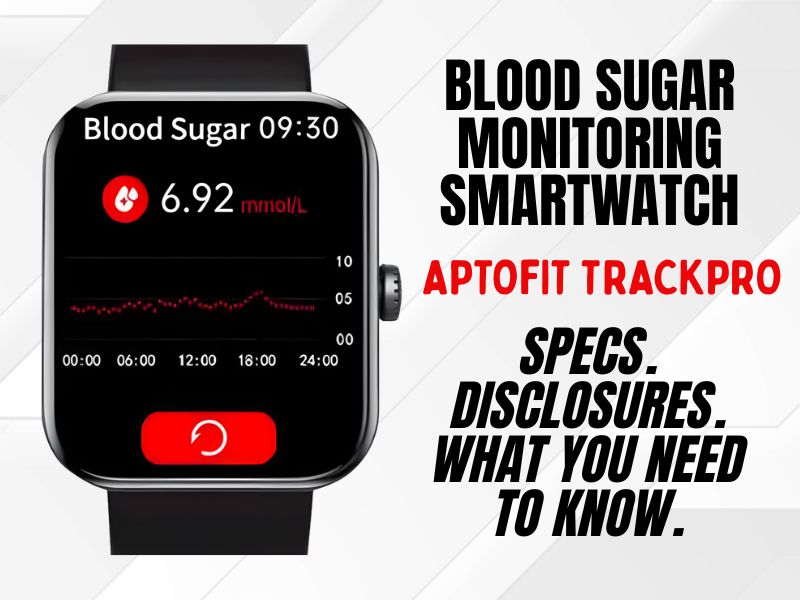
What follows is informational context about the consumer health technology category and a summary of what Aptofit has publicly disclosed about its product. Readers seeking primary-source detail can view the current Aptofit TrackPro offer (official Aptofit page) to review the company's complete product disclosures directly. This article does not assess product effectiveness or outcomes and focuses solely on publicly available disclosures.
Why Consumers Are Researching Wearable Health Tracking Options
Publicly observable online search behavior suggests that consumer interest in wearable fitness trackers and smartwatch wellness-tracking features has grown considerably heading into 2026. More people are researching what data these devices actually display, what physical specs set one product apart from another, and what factors are worth considering when comparing options — including products that describe glucose-related display features as part of their wellness tracking functionality.
Much of this research activity appears centered on convenience — specifically, the ability to view personal wellness data at a glance without managing multiple separate devices. Consumers commonly research what wellness metrics a wearable displays, how long the battery lasts, whether the device holds up to everyday wear and water exposure, and what the purchasing experience looks like including refund terms and customer service access.
For anyone comparing consumer wrist-worn tracker options, understanding what a product actually discloses — versus what marketing language implies — tends to be a key part of the research process. This overview focuses entirely on what Aptofit has publicly disclosed about the TrackPro and the broader category context consumers typically consider.
What the Wearable Health Tracking Category Typically Refers To
The wearable wellness tracking category covers consumer electronic devices worn on the wrist that display personal activity and wellness data. Most of these devices combine smartwatch functionality — call alerts, texts, social media notifications — with wellness data display features like heart rate readings, blood oxygen (SPO2) readings, step counts, calorie estimates, and sleep tracking.
Some consumer wearables describe glucose-related display features as part of their overall feature set. In the consumer wearable context, these are informational display functions that rely on wrist-based sensor technology and are not described as laboratory-based measurement tools. Consumers researching this feature type often look at how these devices describe their sensor methodology and how companies in this space characterize these readings — generally as informational wellness data rather than diagnostic outputs. This overview does not assess or compare product performance across formats.
Products in this category vary significantly in terms of display size, battery life, water resistance ratings, construction materials, and the range of data they display. When researching this category, consumers often look at what data is actually displayed on the device, how that data is presented, and what the day-to-day experience of wearing the device involves. Physical durability, battery performance, and ease of use are consistently cited factors in consumer research behavior within this segment.
What Wearable Sensors and Display Features Are
Heart rate sensors in consumer wearables use optical technology — typically LED lights paired with photodetectors — to detect blood flow patterns at the wrist and display a corresponding heart rate reading. These sensors are a standard feature in most current fitness tracker and smartwatch devices and display readings continuously or on demand depending on device settings. Blood oxygen (SPO2) sensors use a similar optical approach, displaying an estimated blood oxygen saturation percentage. Both are data display features found across a wide range of consumer wearables at various price points and are not substitutes for clinical assessment.
Sleep tracking in consumer wearables typically works by detecting movement and heart rate patterns during periods of inactivity and organizing that data into sleep stage estimates. Activity tracking features such as step counters, calorie estimates, and sport modes use accelerometer data to categorize physical movement throughout the day. Consumers evaluating wearable wellness data often consider how readings are generated, how frequently they update, and what limitations may apply to wrist-based optical sensors — including how single-point readings may differ from trends tracked over time and whether a product provides clear documentation about intended use. These are standard sensor-based display functions and are not diagnostic tools.
What Aptofit Discloses About Glucose-Related Display Features
Aptofit's publicly available product materials reference glucose-related display functionality as part of its wellness-tracking feature set. The company presents these readings as informational and not as clinical laboratory testing. The product is not described in the company's materials as a substitute for professional medical care, diagnosis, or treatment, and consumers should consult qualified healthcare professionals before making health decisions based on any wearable readings.
The company's product page describes the TrackPro as displaying glucose-related readings through its onboard sensor technology, positioned alongside other wellness metrics such as heart rate data, SPO2 readings, and sleep tracking information. Readers interested in the specific details of how the company describes this functionality can review those disclosures directly on the official product page. Pricing and availability are listed on the official product page and may change over time.
What Aptofit Discloses About Its TrackPro Device
Aptofit describes the TrackPro as a consumer smartwatch and fitness tracker built for everyday wear. According to the company's published disclosures, the device features a 1.9-inch display designed for at-a-glance readability. The company also lists aluminum alloy construction and an IP67 water resistance rating — a standardized industry classification for dust and water exposure.
Disclosed features include heart rate data display, blood oxygen (SPO2) readings, sleep duration and stage tracking, and glucose-related readings through onboard sensors. The company's product page also describes a multi-sport mode, step and activity tracking, and a notification system that surfaces alerts for calls, texts, and social media. Battery life is described as multi-day, with the company referencing a range from the mid-teens to around 20 days per charge depending on usage — a span that reflects variation across different sections of its published materials.
Aptofit positions the TrackPro for a broad range of users who want fitness tracking and smartwatch functionality in a single device. The company describes the interface as straightforward to navigate, with wellness data accessible directly from the main display.
A Consumer Checklist for Comparing Wearable Fitness Tracker Options
When comparing products in the wearable health tracking category, there are several non-performance factors worth looking at — things that clarify what a company has actually disclosed rather than what the marketing implies. The following checklist focuses on specification transparency and purchase clarity, not device outcomes:
Display specification clarity — Does the company clearly state the display size and readability characteristics?
Sensor disclosure completeness — Are the specific sensors included in the device clearly listed, along with what data each sensor displays and how those readings are generated?
Intended use documentation — Does the company clearly describe whether displayed readings are informational wellness data or clinical measurements? This is particularly relevant for glucose-related display features.
Water resistance rating — Does the company specify an industry-standard rating such as IP67 rather than general language?
Battery life disclosure — Is the estimated battery life clearly stated, and does the company specify the conditions under which that estimate applies?
Customer service accessibility — Is contact information clearly provided, including email and response time expectations?
Policy clarity — Does the company publish refund and return policy terms in accessible, specific language?
This checklist does not evaluate whether any device performs as described but helps consumers compare disclosure quality across brands in the wearable health tracking category.
Refund Policies and Customer Support Disclosures
According to the company's published policies, Aptofit describes a 30-day refund policy and provides customer service contact methods on its website. Readers should review the full terms directly on the official page.
Anyone looking for complete policy terms and current pricing can visit the official Aptofit TrackPro page to review all published disclosures directly.
When to Talk to a Healthcare Professional
Consumer wearable fitness trackers are widely available and are not medical devices — but some people may want to talk with a qualified healthcare professional before incorporating any wearable wellness readings into their personal health routines. This commonly includes people managing cardiovascular conditions, those dealing with hypertension, individuals taking medications that affect circulation or heart function, people managing diabetes, and those who are pregnant or nursing.
These devices display data for general informational purposes and are not substitutes for clinical assessment or laboratory testing. A qualified healthcare professional can offer personalized guidance on how to interpret wellness data — and whether any particular approach fits an individual's health circumstances. That kind of guidance is especially worth seeking for anyone managing existing health conditions or taking medications.
Customer Service Email: support@chillreleaf.com
This article is an informational overview based solely on publicly available disclosures. It does not evaluate, endorse, or make performance claims about any product. All product details referenced in this article are sourced from publicly available company disclosures and are subject to change. Readers are encouraged to verify all information directly with the company at the official product page.
