Sheridan, WY, Dec. 31, 2025 (GLOBE NEWSWIRE) -- As consumer lifestyles continue to evolve, the global furniture industry is experiencing a structural shift that extends far beyond aesthetics or seasonal trends. Homes today are no longer static environments designed around fixed routines. Instead, they have become multifunctional spaces that must accommodate work, rest, entertainment, and social interaction—often within the same room. Against this backdrop, JASIWAY, a modern furniture brand focused on adaptable living solutions, has announced a strategic multi-channel expansion designed to respond to rising demand for versatility, customization, and accessibility in home furnishings.
The announcement reflects broader changes in how consumers evaluate furniture purchases. Rather than focusing solely on appearance or price, buyers are increasingly weighing long-term usability, flexibility, and the ability of furniture to adapt to changing living arrangements. This shift has accelerated in recent years as remote work, urban density, and lifestyle mobility have reshaped expectations around the role furniture plays in everyday life.
JASIWAY’s expansion strategy represents a measured response to these developments, combining brand diversification, premium customization, and broader retail distribution. By aligning its product philosophy with evolving consumer behavior, the company aims to position itself for sustainable growth within an increasingly competitive and fragmented global market.

A Furniture Market Shaped by Lifestyle Transformation
Over the past decade, the furniture industry has undergone a gradual but decisive transformation. Traditional purchasing patterns—once driven by life-stage milestones such as home ownership or family expansion—are now influenced by more fluid lifestyle changes. Younger consumers are relocating more frequently, living in smaller urban spaces, and prioritizing flexibility over permanence. At the same time, multi-generational households and hybrid work models have introduced new functional requirements for home environments.
These shifts have altered what consumers expect from furniture. Living rooms are no longer used solely for leisure, bedrooms double as offices, and guest accommodations must often be integrated into primary living spaces. As a result, demand has increased for furniture that can transition between uses without sacrificing comfort, durability, or visual coherence.
Market data across North America and Europe indicate sustained growth in categories related to modular seating, convertible designs, and space-efficient solutions. Rather than viewing these products as compromises, consumers are beginning to treat them as essential components of modern living. Brands capable of delivering versatility with consistent quality are therefore gaining increased attention from both consumers and industry observers.
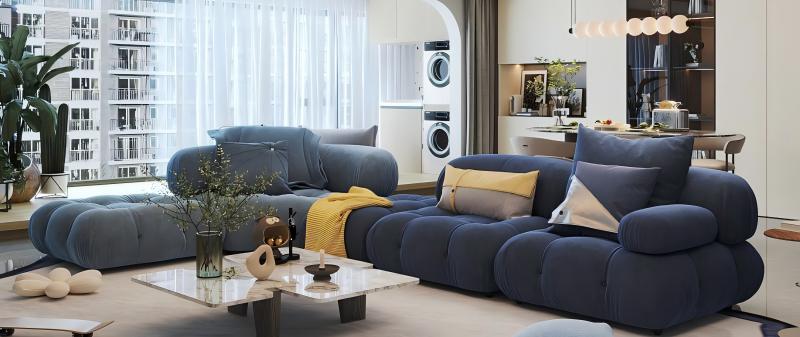
JASIWAY’s growth trajectory aligns closely with these trends. By focusing on adaptability as a core design principle, the company has positioned its collections to meet the practical realities of contemporary homes while maintaining a cohesive design language.
Brand Architecture as a Strategic Response
One of the defining elements of JASIWAY’s expansion is its deliberate approach to brand architecture. As consumer needs diversify, a single, undifferentiated product line is often insufficient to address the full spectrum of expectations. Recognizing this, JASIWAY has continued to develop RINGCHEN, its high-end sub-brand dedicated to personalized and made-to-order furniture.
The creation of RINGCHEN reflects a broader shift toward customization in the furniture industry. As living spaces become more varied in size and layout, standard dimensions and configurations frequently fall short. Customization, once limited to niche luxury markets, is increasingly sought by consumers who value precision and long-term relevance over mass-market uniformity.
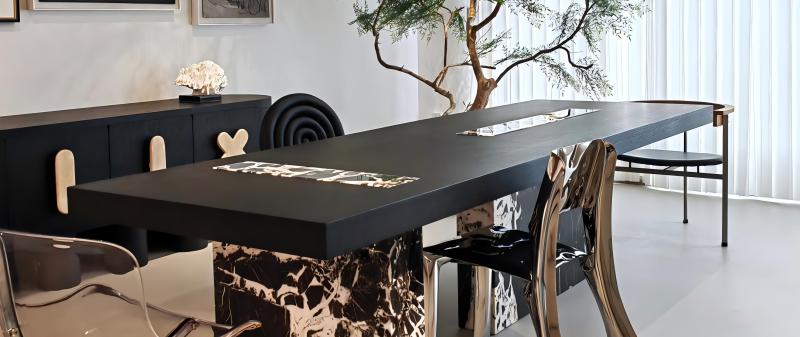
Through RINGCHEN, JASIWAY offers customizable dimensions, materials, and finishes designed to accommodate unique architectural constraints and individual preferences. This approach allows customers to integrate furniture more seamlessly into their environments, reducing the compromises often associated with off-the-shelf products.
Importantly, RINGCHEN is positioned not as a trend-driven luxury label, but as a continuation of JASIWAY’s underlying design philosophy. Emphasis is placed on solid construction, restrained aesthetics, and functional longevity. By separating this offering into a distinct sub-brand, the company provides clarity to consumers while preserving the accessibility of its core collections.
Versatility as a Design and Engineering Priority
At the center of JASIWAY’s product strategy is a commitment to versatility as a functional and structural attribute, rather than a superficial feature. As consumers increasingly rely on furniture to serve multiple purposes, the engineering behind these designs becomes critical.
Categories such as sleeper sofas illustrate this shift particularly well. Once considered secondary furnishings reserved for occasional use, convertible seating solutions are now expected to function as primary sofas capable of supporting daily comfort while also providing reliable sleeping accommodations. This evolution has prompted greater scrutiny of frame construction, cushioning systems, and material performance.
JASIWAY approaches this category with a focus on balance—ensuring that adaptability does not come at the expense of comfort or durability. Designs are developed to maintain consistent support across configurations, addressing common consumer concerns related to uneven surfaces or premature wear. By prioritizing structural integrity alongside visual appeal, the company seeks to reposition versatile furniture as a long-term investment rather than a temporary solution.
This philosophy resonates with a growing segment of consumers who are more intentional about their purchasing decisions. As furniture prices rise and sustainability considerations gain prominence, buyers are increasingly inclined to choose fewer, better-designed pieces that can adapt over time.
Expanding Access Through Multi-Channel Distribution
In parallel with product and brand development, JASIWAY has expanded its distribution strategy to reflect the realities of modern retail behavior. Today’s consumers engage with multiple platforms before making purchasing decisions, often comparing availability, delivery options, and platform credibility alongside product features.
To address this fragmented landscape, JASIWAY has adopted a multi-channel approach that balances direct engagement with established retail partnerships. A significant milestone in this strategy is the brand’s availability through major national retailers. JASIWAY’s products are now Available on Home Depot, extending its reach to a broad audience already engaged in home improvement and furnishing projects.
This presence enhances accessibility while reinforcing brand credibility. For many consumers, purchasing furniture through a familiar retail platform provides an additional layer of confidence, particularly for larger or more complex items. By aligning with Home Depot, JASIWAY integrates its offerings into a wider ecosystem of home-related solutions.
Beyond Home Depot, the company has also expanded distribution through Bed Bath & Beyond and Amazon, maintaining branded direct listings to ensure consistency in presentation and customer experience. This approach allows JASIWAY to meet consumers where they prefer to shop, while preserving control over product information and brand messaging.
The Strategic Role of Direct-to-Consumer Channels
While third-party platforms play an important role in visibility and reach, JASIWAY continues to view its owned digital presence as a strategic cornerstone. Through the company’s official website, the brand maintains a direct relationship with its customers, offering comprehensive access to its collections, design principles, and material standards.
This channel serves multiple functions beyond sales. It acts as an educational resource, providing detailed explanations of construction methods, care guidelines, and customization options—particularly for the RINGCHEN line. It also enables direct feedback, allowing the company to gather insights that inform future product development.
Direct engagement is increasingly valuable in an industry where consumer trust is built through transparency and consistency. By maintaining an active and informative digital presence, JASIWAY reinforces its commitment to long-term value rather than transactional selling.
Navigating Industry Challenges and Opportunities
The global furniture industry continues to face a complex mix of challenges, including supply chain disruptions, material cost volatility, and shifting regulatory environments. At the same time, technological advancements in manufacturing and logistics have created new opportunities for efficiency and customization.
JASIWAY’s expansion strategy reflects an effort to balance these factors. By investing in modular production capabilities and diversified distribution, the company aims to remain resilient in the face of uncertainty while retaining the flexibility to adapt to future market conditions.
Rather than pursuing rapid expansion across unrelated categories, JASIWAY has focused on strengthening its core competencies. This disciplined approach underscores a broader industry movement toward sustainable growth and operational clarity.
Looking Forward
As demand for adaptable, well-designed furniture continues to rise, JASIWAY sees opportunities for further expansion across residential, mixed-use, and evolving lifestyle environments. Future initiatives are expected to focus on material innovation, enhanced customization processes, and continued refinement of the customer experience across all channels.
Environmental responsibility is also expected to play an increasingly important role in the company’s development roadmap. As consumers place greater emphasis on sustainability, JASIWAY aims to explore responsible sourcing and production practices that align with long-term environmental goals.
With its multi-channel expansion underway and its brand portfolio clearly defined, JASIWAY enters its next phase positioned to navigate a changing global furniture landscape. By aligning design, distribution, and consumer engagement around the realities of modern living, the company seeks to remain relevant in an industry shaped by continuous transformation.
