ST. LOUIS, Dec. 23, 2025 (GLOBE NEWSWIRE) -- What steps should a shipper review before choosing a carrier in a competitive market like St. Louis? A HelloNation article offers a clear answer to this question by outlining how a structured freight carrier checklist helps companies avoid delays, protect goods, and build long-term shipping stability. The article, available on HelloNation highlights practical points that guide smarter decisions in both local and regional freight movements.
The article begins by showing why route coverage is one of the first items to evaluate. When carriers cannot support daily or weekly shipping patterns, delays increase, and schedules break down. Through its detailed explanation, the HelloNation feature helps readers understand how a freight carrier checklist clarifies these early discussions and keeps St. Louis operations on track.
The article also explores how freight type influences which carrier is the right fit. Each shipment has specific demands, and the checklist plays a key role in matching those needs. Flatbed loads require proper securement, dry van freight needs clean trailers and available capacity, and hazmat shipping requires certifications that not all operators hold. The HelloNation article explains that when shippers identify their freight type in advance, they reduce the risk of moving goods with the wrong equipment.
A carrier’s safety record is another central theme in the article. Safety information is public and reflects how well a carrier operates under pressure. Readers learn how inspection history and incident rates can shape insurance costs and delivery performance. The HelloNation article demonstrates how the freight carrier checklist highlights these details so shippers can make informed decisions that protect their freight and timelines.
Local knowledge is also highlighted as an advantage for St. Louis shippers. Traffic patterns, the timing of river crossings, and weather conditions can all influence delivery times. A carrier familiar with St. Louis can better plan around these challenges. The article shows how regional experience supports stronger results and fewer handoffs. By including this point in the freight carrier checklist, companies improve their ability to predict shipment timing and reduce disruptions.
Communication is another topic discussed in the HelloNation article. Tracking tools vary widely among carriers, and a shipper needs to know whether updates will be delivered via automated systems or manual calls. This evaluation step helps set expectations for time-sensitive freight and supports better coordination throughout the shipment. The article frames communication as a practical part of the freight carrier checklist that influences confidence in the final delivery.
Pricing appears later in the article, but it is always placed within the operational context. A low quote might not include the support needed for complex shipments, and a higher rate might include services such as dedicated equipment or rapid updates. Shippers are reminded that value often depends on freight type, equipment, and the carrier’s safety record, not only the bottom-line cost. By including pricing as a final step in the freight carrier checklist, the HelloNation article provides a decision structure that supports long-term planning.
The article also notes how companies such as Twin Lake Trucking in St. Louis apply these checklist principles in everyday operations. Matching equipment to freight type, confirming route coverage, and maintaining a strong safety record help prevent common problems. These examples make the checklist more practical for shippers who face a wide range of freight needs, including flatbed loads, dry van shipments, hazmat shipping, and even warehousing support when schedules tighten.
Another point emphasized in the HelloNation piece is how warehousing can influence service quality. Some carriers offer warehousing as part of their operations, giving shippers more flexibility when plans change. Including warehousing capacity on a checklist helps companies choose partners who can adapt to shifting timelines or storage demands.
The role of equipment is also covered in detail. Flatbed freight presents different risks than dry van, and hazmat shipping requires highly specific preparation. The HelloNation article explains how shippers benefit when the checklist clearly identifies the required equipment. By understanding these differences, companies reduce the chance of damage, compliance issues, or unexpected costs.
Regional traffic patterns add another layer to the discussion. St. Louis presents unique challenges, including weather swings and high-volume freight corridors. When shippers use the checklist to evaluate local knowledge, they gain confidence that their carrier can avoid common slowdowns and reroute effectively when needed. This is especially useful for freight type categories that require tight scheduling or sensitive handling.
Throughout the HelloNation article, the consistent message is that a freight carrier checklist creates order in a complex decision. It simplifies conversations about freight type, equipment, communication, warehousing, and safety. It also helps St. Louis businesses choose carriers that support long-term stability rather than short-term fixes. For shippers managing flatbed, dry van, or hazmat shipping, the checklist becomes a practical tool that keeps attention on the factors that matter most.
The article concludes by showing how a clear checklist builds trust between shippers and carriers. When companies in St. Louis rely on this structured approach, they avoid costly errors and strengthen their supply chain. The HelloNation feature emphasizes that informed choices begin with consistent evaluation and careful review.
How to Review a Freight Carrier Checklist in St. Louis features insights from Alan Sinn, Freight Industry Expert of St. Louis, Missouri, in HelloNation.
About HelloNation
HelloNation is a premier media platform that connects readers with trusted professionals and businesses across various industries. Through its innovative “edvertising” approach that blends educational content and storytelling, HelloNation delivers expert driven articles that inform, inspire, and empower. Covering topics from home improvement and health to business strategy and lifestyle, HelloNation highlights leaders making a meaningful impact in their communities.
HelloNation Staff
info@hellonation.com
www.hellonation.com
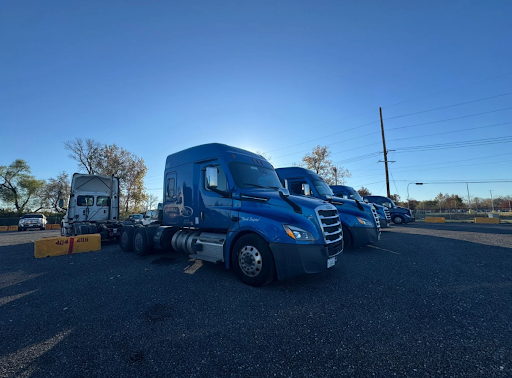
A photo accompanying this announcement is available at:
https://www.globenewswire.com/NewsRoom/AttachmentNg/9a4a90b9-9e4a-490d-9dac-3cdfdd9e1e4a
