NEW YORK, Dec. 26, 2025 (GLOBE NEWSWIRE) -- This article is for general educational purposes only and is not professional food-safety, kitchen-sanitation, or material-science advice. The information provided is intended to help readers understand cutting board materials, microplastic research, and non-porous food-prep surfaces so they can make informed purchasing decisions based on their own needs. Product claims, specifications, pricing, and policies should always be verified directly with the manufacturer. This article contains affiliate links. If you purchase through these links, a commission may be earned at no additional cost to you.
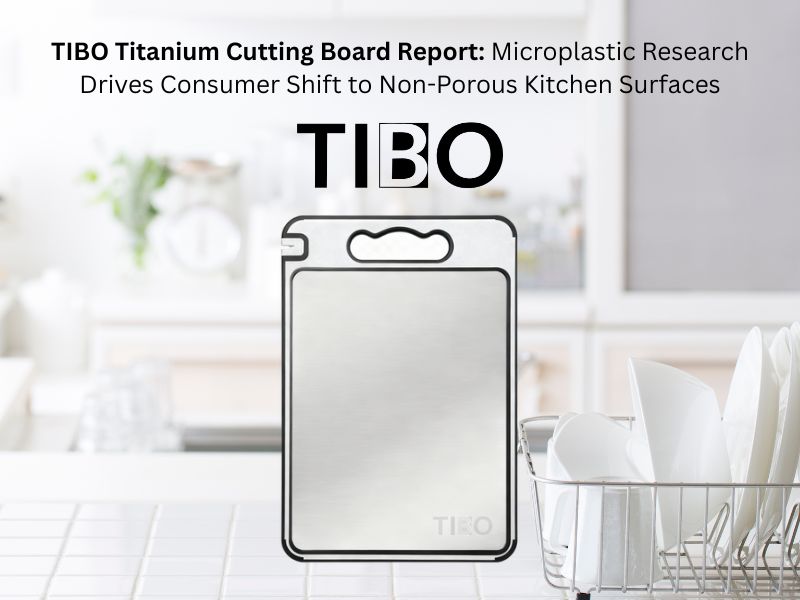
TIBO Titanium Cutting Board Overview
If you landed here after seeing an ad for the TIBO Titanium Cutting Board and wondered whether it's legitimate, you're not alone. Titanium cutting boards have entered mainstream consumer conversations as households increasingly question what their kitchen tools might be adding to their food.
This report breaks down what the TIBO brand claims, how those claims align with published research on cutting board materials, what you should verify before purchasing, and whether this product might — or might not — fit your specific kitchen needs.
For current product specifications and availability, consumers can view the current TIBO Titanium Cutting Board offer (official TIBO page).
What the TIBO Titanium Cutting Board Is
According to the manufacturer's official website, the TIBO Titanium Cutting Board is a kitchen food preparation surface constructed from what the company describes as medical-grade titanium. The manufacturer uses terms like "FDA-compliant" in its marketing materials; consumers seeking to understand what this designation means for kitchen tools may wish to verify directly with the company, as FDA does not approve or certify cutting boards as a product category.
The company states the board uses 99.9 percent pure titanium and notes that titanium is generally non-magnetic. The manufacturer's materials reference magnetism as one informal indicator used by consumers when evaluating titanium versus more magnetic metals; shoppers who want certainty should rely on documented material specifications and written confirmations from the seller.
According to the manufacturer, the TIBO Titanium Cutting Board includes the following design elements. All claims below are attributed to the company's marketing materials and should be verified directly before purchasing.
Dual-Sided Design
The company describes one side constructed from titanium intended for raw meat, poultry, and seafood preparation. The opposite side features what the brand calls an eco-friendly wheat straw surface designed for produce, bread, and ready-to-eat items. According to the manufacturer, this configuration supports separation of food categories during meal preparation.
Built-In Ceramic Knife Sharpener
According to the company, the board includes an integrated ceramic sharpening element. The brand claims this feature maintains blade edges with three to five swipes and may reduce professional sharpening costs over time.
Integrated Garlic and Ginger Grater
The manufacturer states the board includes a built-in grater designed for quickly processing garlic, ginger, and similar aromatics without requiring separate tools.
Deep Juice Groove
According to the company, channels around the board perimeter capture liquids from meat and produce during food preparation.
Non-Slip Base
The brand states the board features a stable base designed to remain in place during chopping and cutting tasks.
Dishwasher Safe Construction
According to the manufacturer, the TIBO Titanium Cutting Board can be cleaned in a dishwasher and requires no oiling, conditioning, or special maintenance routines.
Published Research on Microplastic Release From Cutting Boards
Consumer awareness of cutting board materials has increased following peer-reviewed research documenting microplastic release from plastic kitchen tools. This research provides context for understanding why some consumers are exploring alternative materials.
A study published in Environmental Science and Technology in May 2023 brought scientific attention to this issue. Researchers led by Himani Yadav at North Dakota State University investigated microplastic release from plastic cutting boards during food preparation. Their findings, published in the American Chemical Society journal with DOI 10.1021/acs.est.3c00924, documented significant particle shedding from common cutting board materials.
According to the published research, polypropylene cutting boards may shed up to 79.4 million microplastics annually during normal use. Polyethylene boards may release between 14.5 and 71.9 million particles per year depending on usage patterns and cutting intensity.
The research team collected and measured micro-sized particles released when cutting boards were repeatedly struck by knives during vegetable chopping. Most detected particles were spherical and smaller than 100 micrometers in diameter.
Converting particle counts to weight, the researchers estimated per-person annual exposure of 49.5 grams of microplastics from polypropylene boards and 7.4 to 50.7 grams from polyethylene boards. For context, 50 grams is approximately the weight of ten credit cards worth of plastic potentially entering food each year from a single kitchen tool.
The study concluded that plastic chopping boards represent a substantial source of microplastics in human food, which the researchers indicated requires careful attention.
It should be noted that the same research found wooden cutting boards released four to twenty-two times more fine particles than plastic boards. However, these wooden particles are organic material rather than synthetic polymers. The researchers conducted preliminary toxicity testing on mouse cells and did not observe significant effects on cell viability from polyethylene or wood microparticles in short-term 72-hour exposure tests.
The American Chemical Society, which published the research, noted that while plastic cutting boards are easy to clean, other options could be used to reduce potential exposure pathways related to microplastic contamination in foods.
Titanium as a Cutting Board Material: What the Research Shows
Titanium differs fundamentally from traditional cutting board materials in ways that explain growing consumer interest. The following reflects general material science and published research, not specific product claims.
Non-Porous Structure
Unlike wood, bamboo, or plastic, titanium is non-porous. This means the material does not contain microscopic pathways that absorb moisture, food residue, or odors. For kitchen applications, non-porous surfaces may support more thorough cleaning between food preparation tasks because liquids cannot penetrate below the surface.
No Plastic Components
Because titanium contains no plastic components, it does not contribute to microplastic particle shedding during food preparation. The cutting and chopping pressure that causes plastic boards to release particles does not produce the same effect on metal surfaces.
Structural Stability
Titanium is generally resistant to warping when exposed to moisture or heat, does not tend to crack along grain lines like wood, and is more resistant than plastic to developing the deep grooves that form over time. This structural stability contributes to durability and consistent performance.
Food-Contact Applications
Titanium is widely used in medical implants and surgical instruments due to its biocompatibility and stability. The material is non-reactive and is commonly regarded as suitable for food-contact applications under normal conditions.
Odor and Stain Resistance
Because titanium does not absorb liquids, it generally does not retain odors from aromatic ingredients like garlic, onions, fish, or strong spices. Staining from ingredients like turmeric, beets, or tomatoes is also reduced compared to porous materials.
How the TIBO Titanium Cutting Board Compares to Traditional Materials
Understanding how different cutting board materials perform helps consumers evaluate options. The following comparison reflects general material characteristics, published research, and manufacturer claims where noted.
Compared to Plastic Cutting Boards
Plastic boards are lightweight, affordable, and dishwasher safe. However, they can develop grooves over time that may harbor bacteria, and the 2023 research documented significant microplastic shedding during food preparation. Plastic boards can warp when exposed to heat and may retain stains and odors in surface scratches.
According to the TIBO manufacturer, their titanium surface is more resistant to developing grooves that trap residue and does not contain plastic components that could shed particles.
Compared to Wooden Cutting Boards
Wood boards have characteristics that some research suggests may have antimicrobial properties. However, wood can develop grooves that may harbor bacteria if not properly maintained. Wood requires periodic oiling to prevent cracking and drying. Wood absorbs moisture and can retain odors from strong ingredients.
According to the TIBO manufacturer, their board requires no oiling or conditioning. The non-porous titanium surface does not absorb moisture.
Compared to Bamboo Cutting Boards
Bamboo is harder than many woods and marketed as eco-friendly. However, bamboo can splinter over time and absorbs moisture like wood. Bamboo boards may develop grooves and require maintenance similar to wooden boards.
According to the TIBO manufacturer, their wheat straw side provides an eco-friendly surface for produce while the titanium side offers durability for protein preparation.
Compared to Glass Cutting Boards
Glass boards are non-porous and easy to clean but are extremely hard on knife edges. Glass can also shatter if dropped and produces loud noise during cutting. Many kitchen professionals advise against glass boards due to rapid knife dulling.
According to general materials science, titanium is softer than the steel used in most kitchen knives and gentler on blade edges than glass or stone surfaces.
TIBO Titanium Cutting Board Pricing and Availability
According to the official TIBO website at the time of this publication, the following pricing structure is offered. Pricing is subject to change and should be verified directly with the manufacturer before ordering.
Single Board Option
The company lists one TIBO Titanium Cutting Board at 59.99 USD, noting an original price of 69.99 USD. Shipping charges apply to single-unit orders.
Multi-Board Bundle Options
A bundle including three boards total is listed at 139.98 USD with free shipping included.
A larger bundle including five boards total is listed at 209.97 USD with free shipping included.
According to the website, orders include a one-year warranty. The company's marketing materials also reference what they describe as a lifetime durability guarantee. Consumers should verify specific warranty terms, coverage details, and conditions directly with the manufacturer before purchasing.
Current pricing and bundle options can be verified: View the current TIBO Titanium Cutting Board offer (official TIBO page).
TIBO Titanium Cutting Board Return Policy: Important Verification Step
Consumers researching the TIBO Titanium Cutting Board should review return terms carefully before ordering. The following information reflects what was available on the company website at the time of publication, with an important discrepancy noted.
The company's main marketing materials reference a 60-day money-back guarantee with free return shipping. However, the detailed return policy section of the website contains different terms.
According to the return policy documentation, returns are accepted within 30 days of the original purchase date. The policy states that if a unit has been opened, a restocking fee of 10 percent may apply. The policy also indicates the company does not cover return shipping costs.
Because marketing materials and detailed policy documentation contain different timeframes and terms, consumers should contact customer support at support@zsbrands.com or +1 757 414 7772 to confirm the current return window, any applicable fees, and shipping cost responsibilities before completing a purchase. This verification step ensures clarity on the specific terms that will apply to your order.
Company Information and Contact Details
For consumers verifying the legitimacy of the TIBO brand, the following company information is available from public sources.
According to the website, TIBO products are handled by ZS Brands. The listed business address is 18139 Logistics Pkwy NE, 100, Covington, GA, US, 30014.
Customer Support Contact Information
Email: support@zsbrands.com
Phone: +1 757 414 7772
The website indicates order fulfillment may take up to two to three weeks due to demand. Consumers with time-sensitive delivery needs should contact customer support to verify current shipping timelines before ordering.
Who the TIBO Titanium Cutting Board May Align With
The following considerations reflect general consumer use cases based on material characteristics and the research discussed above, not endorsements or recommendations. Each reader should evaluate whether these factors apply to their specific situation.
Those Exploring Ways to Reduce Potential Microplastic Exposure Pathways
Consumers who have read the 2023 research and are concerned about microplastic contamination from plastic kitchen tools may find non-plastic alternatives worth exploring. Because titanium contains no plastic components, it does not contribute to plastic particle shedding regardless of usage intensity.
Home Cooks Who Frequently Prepare Raw Proteins
Those who regularly prepare raw meat, poultry, or seafood may find value in a non-porous surface that does not absorb juices and supports thorough cleaning between uses. The dual-sided design allows designation of one surface for proteins and another for produce.
Individuals Frustrated With Cutting Board Maintenance
Home cooks tired of oiling wooden boards, replacing warped plastic boards, or scrubbing persistent odors from porous surfaces may find the low-maintenance characteristics of titanium worth considering. According to the manufacturer, no special care beyond normal washing is required.
Meal Preppers Who Value Efficiency
Those who batch-cook or prepare multiple meals in single sessions may appreciate durability that maintains performance through extended use. The integrated features including knife sharpener and garlic grater may support efficient workflows.
Consumers Seeking Long-Term Kitchen Investments
Those who prefer purchasing quality items once rather than replacing lower-cost items repeatedly may find titanium durability aligned with their purchasing approach.
Those who identify with these considerations can view the current TIBO Titanium Cutting Board offer (official TIBO page).
Who Should Consider Other Options
The TIBO Titanium Cutting Board is not the ideal choice for every household. The following considerations may help readers determine whether alternatives better suit their needs.
Those Who Strongly Prefer the Feel of Wood
Some cooks value the tactile experience of cutting on wood, which offers slight give under the knife and a natural aesthetic. Titanium provides a firmer surface that feels different during food preparation. Personal cutting preference significantly influences satisfaction with any board material.
Users of Delicate Ceramic Knives
Ceramic knife blades behave differently on harder surfaces and may chip or wear differently than steel blades. Those who rely heavily on ceramic knives may want to test compatibility or maintain a separate board for ceramic blade use.
Shoppers Prioritizing Lowest Upfront Cost
Titanium cutting boards cost more than basic plastic or wooden alternatives. Shoppers focused primarily on minimizing immediate expense rather than long-term value may find traditional materials more aligned with their current budget.
Those Who Specifically Want Natural Materials
Some consumers prioritize natural, organic materials in their kitchen tools for philosophical or aesthetic reasons. While titanium is widely used in medical and food-contact contexts due to its stability, it is a manufactured metal rather than a natural material like wood or bamboo.
Cooks Who Require Very Large Cutting Surfaces
Consumers who need extra-large cutting surfaces for specific preparation tasks should verify TIBO dimensions meet their size requirements before ordering.
Common Questions About the TIBO Titanium Cutting Board
Is the TIBO Titanium Cutting Board actually made from real titanium?
According to the manufacturer, the board contains 99.9 percent pure titanium. The company's materials note that titanium is generally non-magnetic, which is one characteristic consumers sometimes reference when evaluating titanium products. Shoppers seeking certainty should request documented material specifications directly from the seller.
Will the TIBO Titanium Cutting Board damage or dull knives?
According to materials science, titanium is softer than the steel used in most kitchen knives. The manufacturer claims titanium is gentler on knife edges than glass, stone, or bamboo cutting boards. However, knife wear depends on multiple factors including blade material, cutting technique, and sharpening practices.
Is the TIBO Titanium Cutting Board loud during use?
Metal cutting boards may produce different sounds than wood or plastic during chopping. Some users report a distinct sound when cutting on titanium. Whether this is noticeable depends on individual sensitivity and kitchen environment.
Can the TIBO Titanium Cutting Board go in the dishwasher?
According to the manufacturer, the board is dishwasher safe. Titanium generally does not absorb water or warp when exposed to dishwasher conditions. Handwashing with soap and water is also effective for regular cleaning.
How long does TIBO Titanium Cutting Board shipping take?
According to the company website, order fulfillment may take up to two to three weeks due to demand. Consumers needing delivery by specific dates should contact customer support to verify current timelines.
What is the TIBO Titanium Cutting Board warranty?
The website references a one-year warranty and marketing materials mention a lifetime durability guarantee. Consumers should verify specific warranty terms and what is covered directly with the manufacturer.
Does titanium have antibacterial properties?
The manufacturer describes titanium as having characteristics that support hygiene due to its non-porous structure. This refers to the material's inability to absorb moisture where bacteria might grow, not to active antimicrobial properties. Standard food-safety cleaning practices remain essential regardless of cutting board material.
The Broader Context: Kitchen Safety Awareness Heading Into 2026
Consumer interest in products like the TIBO Titanium Cutting Board reflects broader trends in kitchen safety awareness and purchasing behavior.
Media coverage of the 2023 microplastic research reached mainstream audiences through the American Chemical Society and numerous health and science publications. This awareness has prompted many households to evaluate kitchen tools they previously took for granted.
The meal preparation trend continues driving more intensive use of cutting boards as households cook at home more frequently. Increased usage accelerates wear on traditional boards and heightens interest in durable alternatives.
Health-conscious consumer behavior influencing food choices increasingly extends to food preparation tools. The same awareness driving interest in organic foods and lower-toxin cookware now includes cutting board materials.
New Year resolution season traditionally drives kitchen upgrades as households commit to cooking at home, eating healthier, and meal prepping for wellness goals.
Making an Informed Decision
Consumers evaluating the TIBO Titanium Cutting Board should consider several factors based on their individual circumstances.
Assess current cutting board frustrations honestly. Those frustrated with odor retention, staining, warping, or frequent replacement may find titanium aligns with their specific priorities. Those satisfied with current boards may find the investment unnecessary.
Consider cooking frequency and style realistically. High-volume meal preppers and those who frequently handle raw proteins may find non-porous, durable surfaces particularly valuable.
Evaluate the microplastic research according to personal priorities. The 2023 study documents significant particle shedding from plastic boards. Each consumer must weigh this information according to their own assessment.
Verify all claims and policies directly before purchasing. Product specifications, pricing, warranty terms, and return policies should be confirmed on the official website. Marketing materials and detailed policy terms contain differences worth understanding before ordering.
Consider the full range of alternatives available. Titanium is one option among several for those seeking non-plastic cutting boards.
Contact Information
Consumers seeking additional information about the TIBO Titanium Cutting Board may contact the company through the following channels.
Company: ZS Brands (TIBO)
Email: support@zsbrands.com
Phone: +1 757 414 7772
Address: 18139 Logistics Pkwy NE, 100, Covington, GA, US, 30014
Website: Product specifications, current pricing, and policy verification are available: View the current TIBO Titanium Cutting Board offer (official TIBO page).
Disclaimer
Educational Purpose Disclaimer: This content is provided for general educational purposes to help readers understand cutting board materials, microplastic research, and non-porous food-prep surfaces. It is not professional food-safety instruction, kitchen-sanitation guidance, or materials-science advice. Readers should use their own judgment and follow trusted food-handling practices appropriate to their households.
Research Attribution: Microplastic statistics cited in this article are attributed to the peer-reviewed study titled "Cutting Boards: An Overlooked Source of Microplastics in Human Food?" published in Environmental Science and Technology in May 2023, DOI 10.1021/acs.est.3c00924. Readers seeking detailed methodology and findings should consult the original published research.
Product Claims Attribution: All product features, specifications, and benefits described in this article are attributed to the manufacturer's publicly available marketing materials and official website. These claims have not been independently verified by the publisher and should be confirmed directly with the manufacturer.
Affiliate Disclosure: This article contains affiliate links. If you purchase through these links, a commission may be earned at no additional cost to you. This compensation does not influence the accuracy or editorial independence of the information presented.
Pricing Disclaimer: All pricing information mentioned was accurate according to the manufacturer's website at the time of publication in December 2025 and is subject to change without notice. Always verify current pricing and terms on the official website before making a purchase.
Results Disclaimer: Individual experiences with cutting board materials vary based on usage patterns, knife types, cleaning practices, and personal preferences. No specific outcomes are guaranteed.
Publisher Responsibility Disclaimer: The publisher has made every effort to ensure accuracy at the time of publication based on publicly available information. We do not accept responsibility for errors, omissions, or outcomes resulting from the use of the information provided. Readers are encouraged to verify all details directly with the manufacturer before making purchasing decisions.
Contact:
- TIBO Customer Support
- support@zsbrands.com
- +1 757 414 7772
