New York City, NY, April 22, 2026 (GLOBE NEWSWIRE) -- Consumers looking into Clean Eye are often trying to answer a careful set of questions before placing an order. They want to understand what the formula includes, how Clean Eye is positioned in the broader eye-wellness category, whether the Clean Eye official website is the safest place to buy, and how to evaluate the product without getting pulled into exaggerated claims. That is the purpose of this article. Rather than leaning on hype, this report takes a cleaner editorial approach, focusing on the disclosed formula, the official sales path, and the consumer-safety details that matter most when people are researching Clean Eye ingredients and side effects, authenticity concerns, and where to buy Clean Eye safely.
Official Website: Check Clean Eye Through the Official Website Here
Understanding Clean Eye: Formula, Purpose, and Daily Use
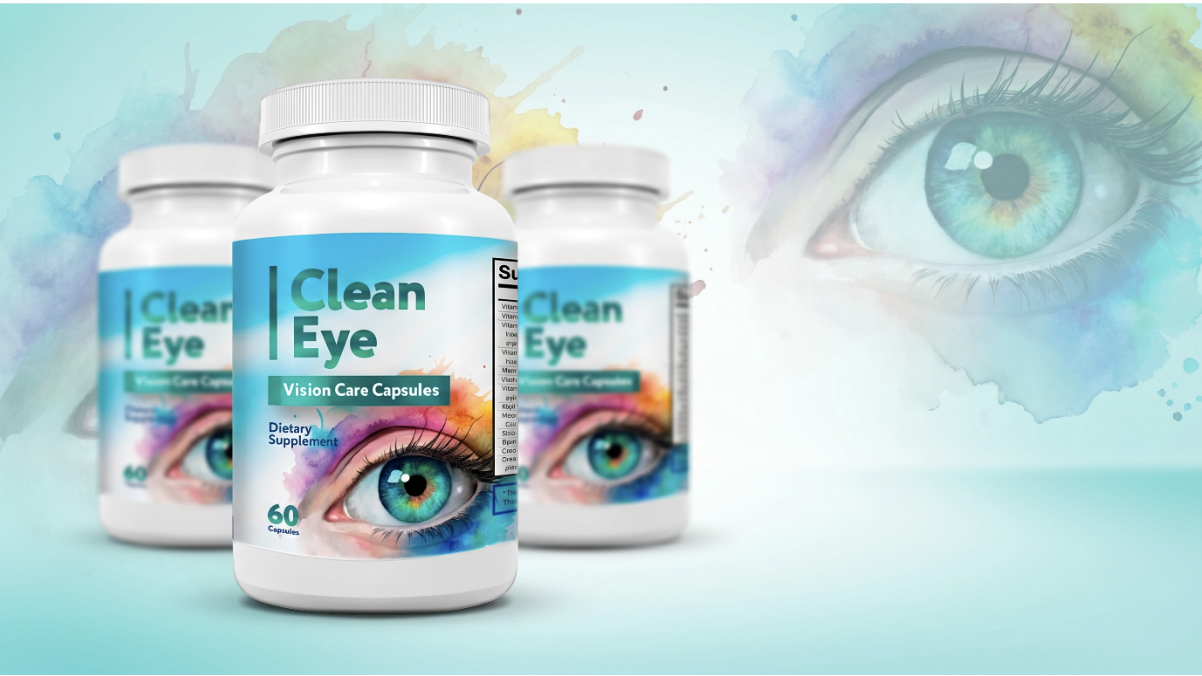
Clean Eye Under Investigation: Full CleanEye Consumer Report Reveals Shocking Hidden Risks
Before getting into broader discussion points, it helps to look at the product in simple factual terms. This section focuses on what the supplement is, how the label presents it, what it contains, and what a reader can understand from the listed directions and warnings.
- Clean Eye is presented as a dietary supplement in capsule form for adults interested in daily visual wellness support.
- The formula is positioned around antioxidant nutrients, botanical extracts, and carotenoid compounds commonly associated with eye-health discussions.
- The suggested use is straightforward: take 1 capsule daily as a dietary supplement.
- Each bottle provides 30 servings, based on a serving size of 1 capsule.
- The core vitamin and mineral profile includes Vitamin A, Vitamin C, Vitamin E, Zinc, Selenium, Copper, and Chromium.
- The label also includes a 351 mg proprietary blend containing Taurine, Ginkgo biloba leaf, Eyebright, Grape Seed Extract, Coleus forskohlii root, Alpha Lipoic Acid, Rutin, Quercetin, Bilberry extract, Saffron extract, Lycopene, Lutein, Zeaxanthin, and Astaxanthin.
- This ingredient combination is one reason some consumers come across search phrases such as Clean Eye vision care capsules, CleanEye eye health supplement, and lutein and zeaxanthin eye vitamins while comparing products in this category.
- Additional inactive ingredients listed on the label include Hypromellose (vegetable capsule), Rice Flour, Magnesium Stearate, and Silicon Dioxide.
- Storage instructions advise keeping the product in a cool, dry place below 30°C (86°F).
- The caution statement says users should not exceed the recommended dose and should consult a physician before use, especially if they take medication or have a medical condition.
- The label also says the product is not intended for individuals under 18 or for pregnant or nursing mothers, and it should not be used if the safety seal is damaged or missing.
- Distribution information on the label names INSTITUTO EXPERIECE, Lakeland, FL 33804, while the broader product contact details also reference Clean Eye Research.
- The sales materials also highlight a 60-day money-back guarantee, which is a relevant point for readers comparing offer structure and buyer protections.
- As with other dietary supplements, the product carries the standard statement that it is not intended to diagnose, treat, cure, or prevent any disease.
Why Are So Many Consumers Talking About Marine Ingredients and Antioxidants for Vision?
Interest in Clean Eye is not coming from one single claim. It is growing because more consumers are paying attention to the broader idea of daily visual support built around antioxidant protection, carotenoid nutrition, and routine-friendly supplement formats. In that environment, phrases related to marine ingredients and antioxidants for vision tend to attract attention because they sound more connected to long-term visual maintenance than to short-term promises.
- Many readers are drawn to this category because they are already familiar with conversations around oxidative stress, screen exposure, and age-related changes in visual comfort.
- The combination of carotenoids such as lutein, zeaxanthin, and astaxanthin makes the formula easier to notice in a crowded supplement market, especially for people comparing antioxidant-centered products.
- The presence of ingredients associated with pigment support and visual clarity helps explain why some consumers connect the formula with searches related to retina clear visual support.
- Interest also grows when a supplement uses a once-daily capsule format, since that kind of routine often feels simpler and more realistic for long-term use.
- Search phrases such as Clean Eye ingredients and side effects and Clean Eye scam or legit suggest that curiosity is often paired with caution, not just impulse interest.
- Another reason the category attracts attention is that consumers increasingly want products that combine familiar vitamins with botanical compounds rather than relying on a single-feature pitch.
- In practical terms, the discussion around CleanEye reflects a wider shift toward ingredient-aware buyers who want to understand what a formula contains before deciding whether it is worth further consideration.
Official Website: Check Clean Eye Through the Official Website Here
How Is Clean Eye Designed to Work According to the Official Website?
After the basic product facts, the next question is how the formula is positioned to support its intended purpose. At the product level, the discussion is less about proving a medical outcome and more about understanding how the supplement is framed as a daily routine for visual wellness, antioxidant support, and ongoing eye-care maintenance.
- Clean Eye is presented as a once-daily supplement intended to fit into a consistent routine rather than a short-term approach.
- The formula is positioned around a combination of vitamins, minerals, carotenoids, and plant-based compounds that together support the product’s visual-wellness theme.
- From a product-design perspective, the formula appears structured to support areas such as antioxidant defense, retinal function, and day-to-day visual clarity in a general wellness context.
- The inclusion of familiar nutrients alongside a broader proprietary blend gives the supplement a more layered positioning than a formula built around only one or two ingredients.
- The once-daily capsule format also supports compliance, since a simpler routine is often easier for users to maintain over time.
- In practical terms, the product is presented as part of a steady wellness habit rather than as an instant solution or a replacement for professional eye care.
- The label directions, storage guidance, and caution statements all reinforce that the product is meant to be used thoughtfully and consistently.
- The presence of carotenoid compounds such as lutein, zeaxanthin, and astaxanthin contributes to the formula’s positioning around visual performance and protective nutritional support.
- At the same time, the broader blend helps explain why some consumers view the supplement as more than a basic vitamin product.
- Overall, the intended mechanism is best understood as a routine-based support strategy built around nutritional reinforcement, not as a promise of guaranteed visual change.
How Can Consumers Avoid Counterfeit Clean Eye Products?
As interest in vision-support supplements increases, authenticity becomes an important part of the buying decision. In the case of Clean Eye, the counterfeit concern is not just about price or convenience. It is also about whether a buyer receives the intended formula, valid packaging, and access to the offer protections that are typically associated with the authorized sales channel.
- Buyers should be cautious with listings that appear on large third-party marketplaces, especially when the product is shown without clear sourcing information.
- Listings on Amazon, Walmart, and eBay may create confusion if the seller identity, packaging details, or storage history cannot be verified.
- A bottle that looks similar to the real product is not necessarily enough to confirm authenticity, especially when supplements may be repackaged, mishandled, or sold through unauthorized channels.
- Marketplace purchases can also create uncertainty around refund eligibility, order support, and whether the product matches the most current presentation used by the brand.
- For many consumers, this is one of the main reasons authenticity matters just as much as price when comparing purchase options.
- Search phrases such as avoid fake Clean Eye Amazon Walmart and where to buy Clean Eye safely reflect a common concern among buyers who do not want to risk receiving an unofficial version.
- Another practical issue is that improperly stored supplements may be exposed to heat, moisture, or extended shelf handling, which can make unauthorized listings harder to evaluate with confidence.
- A careful buyer will usually want to confirm packaging, guarantee terms, and seller legitimacy before ordering any supplement in this category.
- In that context, the most reliable approach is to use the authorized product source rather than relying on unfamiliar marketplace listings.
Official Website: Check Clean Eye Through the Official Website Here
What Does the Research Say About the Ingredients in Clean Eye?
This section looks only at the individual nutrients and botanical compounds listed on the label, not the finished supplement as a whole. The goal is to understand why these ingredients often appear in conversations about visual wellness, antioxidant balance, retinal support, and daily eye-health maintenance.
Vitamin A:
- Vitamin A is widely associated with normal visual function and the maintenance of eye-related tissues.
- In nutrition discussions, it is often recognized for supporting light-sensitive processes involved in everyday vision.
- Its inclusion helps the formula align with foundational eye-health support rather than a trend-driven single-ingredient approach.
Vitamin C:
- Vitamin C is best known for its antioxidant role and its contribution to protection against oxidative stress.
- In the context of eye wellness, that antioxidant role is relevant because visually active tissues are regularly exposed to light and metabolic activity.
- It is also commonly included in broader nutritional strategies focused on maintaining healthy connective tissues and cellular resilience.
Vitamin E:
- Vitamin E is another antioxidant nutrient frequently used in formulations built around cellular protection.
- It is often discussed in relation to helping defend delicate tissues from oxidative pressure over time.
- Its presence supports the formula’s broader antioxidant theme, although readers using blood-thinning medications should be mindful of label cautions and professional guidance.
Zinc and Copper:
- Zinc is commonly included in eye-health formulations because it plays a role in normal cellular function and nutrient-related visual support pathways.
- Copper is often paired with zinc in supplement design for balance and trace-mineral support.
- Together, these minerals contribute to the formula’s nutritional foundation without changing the need for realistic expectations.
Selenium:
- Selenium contributes to antioxidant enzyme systems that help the body manage normal oxidative processes.
- Because antioxidant balance is an important theme in visual wellness discussions, selenium is often viewed as a supportive background nutrient.
- Its value is generally understood as part of a broader nutritional network rather than a stand-alone feature.
Lutein and Zeaxanthin:
- Lutein and zeaxanthin are among the most recognized carotenoids in eye-health discussions.
- They are often noted for their concentration in the macular region and their connection to visual pigment support.
- This is one reason consumers frequently search phrases such as lutein and zeaxanthin eye vitamins when evaluating supplements in this category.
- Their inclusion supports the article’s broader discussion of retinal wellness and visual clarity in a structure/function context.
Astaxanthin:
- Astaxanthin is a carotenoid often associated with antioxidant activity and visual-comfort discussions.
- It is one of the ingredients that helps connect the formula to the theme of marine ingredients and antioxidants for vision, since astaxanthin is commonly linked to marine-source nutrition conversations.
- Readers are often drawn to this compound because it broadens the antioxidant profile beyond the more familiar carotenoids.
Bilberry Extract:
- Bilberry has a long history in traditional and modern eye-wellness conversations.
- It is commonly discussed for its anthocyanin content and its broader relevance to vascular and antioxidant support.
- In supplement positioning, bilberry often serves as a botanical ingredient associated with visual comfort and daily eye-health maintenance.
Ginkgo Biloba:
- Ginkgo biloba is frequently used in wellness formulations related to circulation and cognitive or sensory support themes.
- Within eye-health discussions, it is often mentioned because circulation-related support is sometimes viewed as relevant to nutrient delivery and tissue vitality.
- Readers should still be cautious with ginkgo if they use blood-thinning medications, which is why label-based guidance matters.
Grape Seed Extract and Quercetin:
- Grape seed extract and quercetin are both associated with antioxidant support and plant-compound protection themes.
- They are often included in formulas designed to promote resilience against everyday oxidative stress.
- Their role here is best understood as supportive and complementary rather than headline-driving.
Alpha Lipoic Acid:
- Alpha lipoic acid is often discussed for its antioxidant properties and its involvement in metabolic processes.
- It is one of the more familiar ingredients in broader wellness conversations about cellular support.
- Because it can also be relevant to people managing blood sugar concerns, readers with diabetes-related considerations should review the label carefully and seek medical guidance when appropriate.
Taurine:
- Taurine is an amino acid-like compound often discussed in relation to tissue function and cellular stability.
- In eye-related conversations, it is sometimes highlighted because of its presence in ocular tissues and its supportive functional profile.
- Its inclusion adds another layer to the formula’s nutrient-based positioning.
Eyebright and Saffron:
- Eyebright has a long traditional reputation in eye-wellness folklore and supplement culture.
- Saffron is increasingly discussed in nutritional research conversations related to visual function and antioxidant activity.
- Together, they help give the formula a more distinctive botanical profile while still requiring measured, non-exaggerated interpretation.
Overall, the ingredient list reflects a multi-angle nutritional strategy built around antioxidant support, carotenoid presence, mineral balance, and botanical diversity. That does not prove product-level outcomes on its own, but it does help explain why the formula attracts attention from readers who are comparing ingredient-heavy options in the vision-support category.
What Should Consumers Consider Before Choosing Clean Eye?
For readers who are still deciding whether this formula deserves closer attention, the most useful approach is to look at the product from a practical consumer perspective. That means considering the ingredient profile, the simplicity of the routine, the cautions on the label, and whether the overall structure feels like a sensible fit for someone interested in long-term visual wellness support rather than exaggerated promises.
- Clean Eye may be worth considering for adults who prefer a once-daily supplement format instead of a more complicated routine.
- The formula brings together vitamins, minerals, carotenoids, and botanical compounds, which gives it a broader profile than products built around only one or two eye-health ingredients.
- Readers who are comparing options in this category may appreciate the inclusion of familiar nutrients such as Vitamin A, Vitamin C, Vitamin E, Zinc, and carotenoids like lutein and zeaxanthin.
- The presence of ingredients such as astaxanthin, bilberry, ginkgo biloba, and alpha lipoic acid may also make the formula more interesting to consumers who prefer blends with both nutritional and botanical elements.
- Another practical advantage is convenience, since the label directions call for just one capsule daily.
- At the same time, this is still a supplement that should be approached thoughtfully, especially by readers taking blood-thinning medications or managing diabetes-related concerns.
- People researching Clean Eye ingredients and side effects should pay close attention to the caution statement and the ingredient list rather than relying only on promotional summaries.
- For cautious buyers, authenticity and guarantee coverage may also matter, especially when comparing purchase options across different sellers.
- In broader terms, the formula may appeal most to people who want a vision-support supplement with a layered ingredient profile and a routine that feels easy to maintain.
- As with any supplement in this category, the best decision usually comes from balancing label facts, personal health context, and realistic expectations.
How Should Consumers Think About the Clean Eye Usage Timeline?
When people begin a vision-support supplement, one of the most common questions is how long it may take before the routine feels worth continuing. With a formula like Clean Eye, the more realistic approach is to think in terms of consistency, observation, and general wellness support rather than expecting a dramatic shift in a matter of days.
- In the first several days, most users are simply establishing the routine and paying attention to how easy the once-daily format feels to maintain.
- During the early weeks, readers who use Clean Eye consistently are more likely to focus on routine adherence, overall comfort with the product, and whether the supplement fits naturally into daily life.
- By the end of the first month, some consumers may feel more confident evaluating the formula from a practical standpoint, especially in terms of convenience, tolerance, and whether the ingredient profile still feels relevant to their goals.
- Over a longer period such as one to three months, the product is generally better viewed as part of a broader wellness approach rather than something to judge too quickly.
- For those comparing Clean Eye ingredients and side effects, the timeline also matters because realistic evaluation includes both patience and attention to personal response.
- Consistency is especially important with nutritional products built around vitamins, carotenoids, minerals, and botanical compounds, since these formulas are not typically framed as instant-result products.
- It is also reasonable for cautious consumers to reassess the product if the routine does not feel appropriate for their needs, preferences, or overall health context.
- Anyone taking medications or managing existing health concerns should treat the timeline carefully and involve a qualified healthcare professional when deciding whether longer-term use makes sense.
- In practical terms, the fairest way to evaluate the supplement is through steady use, realistic expectations, and attention to the label rather than through short-term hype.
What Themes Appear in User Feedback About Clean Eye?
When readers look at feedback around a supplement like Clean Eye, they are usually less interested in dramatic claims than in recurring patterns. In most cases, the useful themes are practical ones: whether the routine feels easy to maintain, whether the ingredient profile inspires confidence, and whether the overall product presentation feels credible enough to justify continued interest.
- One of the most consistent positive themes in this category is convenience, especially when the routine involves just one capsule per day.
- Readers also tend to respond well to formulas that combine familiar vitamins with carotenoids and botanical extracts instead of relying on a single-feature marketing angle.
- Another common theme is preference for products that feel more structured and more clearly labeled, since transparency often matters as much as the ingredient list itself.
- For some consumers, interest grows when a formula includes recognizable names such as lutein, zeaxanthin, bilberry, and astaxanthin, because those ingredients already appear in many broader eye-health discussions.
- Cautious buyers often focus on whether the supplement seems realistic and routine-based rather than exaggerated or overly aggressive in tone.
- People comparing Clean Eye ingredients and side effects also tend to pay attention to the warning language and overall composition before deciding whether the product fits their personal situation.
- Another positive signal for some readers is that the formula feels designed for gradual, long-term use rather than for instant expectations.
- In that sense, the strongest impression is often not hype but steadiness: a product that may appeal to adults who want a more measured approach to visual wellness support.
- Overall, the feedback themes that matter most tend to center on simplicity, ingredient familiarity, and whether the product feels credible enough to explore further.
Final Verdict: Looking Beyond the Antioxidant Vision-Support Angle
After reviewing the formula structure, the ingredient themes, the routine format, and the broader consumer considerations, the most balanced conclusion is that Clean Eye appears designed for adults who want a more measured, nutrition-oriented approach to visual wellness support. It does not need to be framed as a miracle product to be relevant. Its appeal comes more from the combination of familiar vitamins, carotenoids, and botanical compounds, along with a straightforward once-daily format that feels manageable for long-term use.
- Clean Eye stands out most as a structured vision-support supplement rather than as an overly aggressive marketing concept.
- The formula has enough ingredient depth to feel more substantial than a basic eye-health capsule built around only one or two nutrients.
- For readers who value convenience, the once-daily format adds practical appeal and may make the routine easier to maintain over time.
- The presence of lutein, zeaxanthin, astaxanthin, bilberry, and supportive vitamins gives the product a profile that many consumers will recognize as relevant to broader eye-wellness discussions.
- At the same time, the most sensible approach is still a realistic one: evaluate the label carefully, consider personal health context, and avoid expecting instant or guaranteed change.
- For consumers who want a formula with layered nutritional support and a more cautious presentation style, this product may be worth a closer look.
- In the end, the value of Clean Eye is less about hype and more about whether its ingredient profile, daily format, and overall structure align with what a careful buyer is actually seeking.
A Closer Look at the Biological Themes Behind Clean Eye
Before moving into the FAQ, it helps to pause and look at the broader themes that make this category so widely discussed. Interest in Clean Eye is tied not only to the label itself, but also to the larger consumer conversation around oxidative stress, visual maintenance, daily screen exposure, and nutritional support for long-term eye wellness.
- Modern interest in eye-health supplements often begins with a simple concern: many people spend long hours in front of digital screens and want a routine that feels supportive rather than overly complicated.
- That wider context helps explain why formulas built around antioxidants, carotenoids, and botanical compounds continue to attract attention from people comparing daily wellness options.
- In the case of Clean Eye, the formula fits into that broader category by combining nutrients associated with retinal support, antioxidant defense, and visual clarity.
- This does not turn the product into a medical treatment, but it does explain why some consumers view a layered nutrition-based formula as more relevant than a basic single-nutrient supplement.
The Role of Daily Consistency in the Clean Eye Approach
Another important point before the FAQ is that supplements of this type are generally evaluated through routine use, not through instant expectations. A once-daily format may seem like a small detail, but for many consumers it is one of the reasons a formula feels realistic enough to maintain.
- Consistency matters because nutrition-based products are usually judged over time, especially when the goal is general wellness support rather than a short-term reaction.
- A simple routine can make adherence easier, which is one reason many buyers prefer products that do not require multiple doses throughout the day.
- For cautious users, a manageable format also makes it easier to monitor personal comfort, tolerance, and whether the supplement still feels aligned with their needs.
- In practical terms, the structure of the routine often matters almost as much as the ingredient list itself.
Clean Eye and the Growing Interest in Ingredient-Based Wellness Support
The popularity of products in this category also reflects a broader shift in buyer behavior. Many consumers are now more ingredient-aware than they were in the past, and they often want to understand the logic of a formula before deciding whether it deserves further attention.
- Readers often search phrases such as Clean Eye ingredients and side effects, Clean Eye vision support formula, and Clean Eye scam or legit because they want more than marketing language.
- A formula that includes carotenoids like lutein, zeaxanthin, and astaxanthin alongside vitamins and botanical extracts tends to feel more substantial to buyers who compare labels carefully.
- The theme of marine ingredients and antioxidants for vision also draws interest because it connects the product to a recognizable wellness narrative without relying on exaggerated claims.
- This more informed buyer mindset is one of the main reasons the FAQ section matters, since people want direct answers about usage, safety, authenticity, and general expectations before making a decision.
Final Consumer Advisory: Protecting Yourself in the Clean Eye Marketplace
A final point worth emphasizing before the FAQ is that buyer confidence does not depend on marketing alone. It also depends on understanding how to read a label, how to evaluate warnings, and how to approach supplement decisions with realistic expectations.
- Readers should treat the product as a dietary supplement for general support, not as a substitute for medical care or a guarantee of visual change.
- People taking blood-thinning medications or managing diabetes-related concerns should pay special attention to the formula and seek professional guidance before use.
- A thoughtful buying decision usually comes from comparing the ingredient profile, the daily format, the warnings, and the overall credibility of the product presentation.
- With that perspective in place, the FAQ becomes the most practical next step for answering common questions in a clear and direct format.
Frequently Asked Questions About Clean Eye
What is Clean Eye?
- Clean Eye is presented as a dietary supplement in capsule form for adults interested in daily visual wellness support.
- The formula combines vitamins, minerals, carotenoids, and botanical ingredients commonly discussed in eye-health and antioxidant-support categories.
- It should be understood as a supplement for general support, not as a medical treatment or a guaranteed solution.
How do you use Clean Eye?
- The label directions state that adults should take 1 capsule daily.
- Each bottle provides 30 servings, based on a serving size of 1 capsule.
- As with any supplement, readers should follow the label and avoid exceeding the recommended dose.
What ingredients are included in Clean Eye?
- The label lists Vitamin A, Vitamin C, Vitamin E, Zinc, Selenium, Copper, and Chromium.
- It also includes a proprietary blend featuring Taurine, Ginkgo biloba, Eyebright, Grape Seed Extract, Coleus forskohlii, Alpha Lipoic Acid, Rutin, Quercetin, Bilberry extract, Saffron extract, Lycopene, Lutein, Zeaxanthin, and Astaxanthin.
- Other ingredients include Hypromellose, Rice Flour, Magnesium Stearate, and Silicon Dioxide.
Is Clean Eye safe?
- The product includes standard supplement cautions and should be used according to the label.
- It is not intended for individuals under 18 or for pregnant or nursing mothers.
- Anyone taking medication or managing a medical condition should speak with a physician before use.
- Extra caution is especially appropriate for readers using blood-thinning medications or managing diabetes-related concerns.
Where can you buy Clean Eye?
- The product is sold through its authorized sales page.
- Buyers who want to avoid confusion about authenticity generally prefer using the official purchase path rather than relying on third-party marketplace listings.
- This is especially relevant for readers comparing seller legitimacy, guarantee coverage, and package details.
Does Clean Eye come with a refund policy?
- The official sales page highlights a 60-day money-back guarantee.
- That makes the refund policy one of the more important buyer-protection details associated with the product.
- As always, readers should review the current terms on the sales page before ordering.
Is Clean Eye sold on Amazon, Walmart, or eBay?
- Unofficial marketplace listings can create uncertainty about authenticity, storage conditions, and seller legitimacy.
- That is why cautious buyers often avoid depending on third-party marketplace offers when evaluating this product.
- For consumers focused on authenticity and purchase protection, the authorized source is generally the clearest option.
How long should Clean Eye be used before evaluating it?
- A fair evaluation usually depends on consistency rather than quick expectations.
- Most readers are better served by thinking in terms of routine use and realistic observation instead of expecting an instant change.
- Personal response, health context, and tolerance should all be considered when deciding whether continued use makes sense.
Company Details
- Product Name: Clean Eye
- Website: https://cleaneye.org
- Distributor: INSTITUTO EXPERIECE
- Primary Address: 11870 62nd St N, Largo, FL 33773
- Label Address: Lakeland, FL 33804
- Phone: +1 (507) 448-8190
- Email: contact@customercs.com
- Retailer Mentioned on Order Page: BuyGoods
- Suggested Use on Label: Take 1 capsule daily as a dietary supplement
- General Note: Readers should rely on the current label and official sales materials for the most up-to-date company, ordering, and contact details.
Important Disclaimers
Medical Disclaimer:
This article is provided for informational and educational purposes only. It is not medical advice, diagnosis, or treatment, and it should not be used as a substitute for guidance from a qualified healthcare professional. Although Clean Eye is presented as a dietary supplement intended for general visual wellness support, individual health needs, medication use, and personal medical history can all affect whether a product is appropriate for a given reader. Anyone taking prescription medications, especially blood-thinning medications, or anyone managing diabetes-related concerns should speak with a physician before using this supplement. Readers should also remember that dietary supplements are not intended to diagnose, treat, cure, or prevent any disease, and product-related statements may not have been evaluated by the Food and Drug Administration.
Affiliate Disclosure:
Some links included in this article may be affiliate links. This means a commission may be earned if a reader chooses to make a purchase through those links, at no additional cost to the reader. Any such relationship does not change the editorial purpose of the article, which is to present product information, consumer guidance, and general context in a structured and readable format.
Accuracy Notice:
This article is intended to be accurate at the time of publication based on the label details, official sales materials, and related product information available during drafting. However, supplement facts, package options, pricing, guarantee terms, distributor details, and contact information may change over time. Readers should always review the current product label and official sales page for the most up-to-date information before making a decision.
Endorsement Disclaimer:
Any opinions, commentary, or discussion of user feedback included in this article are presented for general informational purposes only. They should not be interpreted as formal endorsement, professional recommendation, or proof that all users will have the same experience. Individual responses to dietary supplements can vary, and no part of this article should be read as a promise of specific results.
References
- Clean Eye. Official Order Page. https://cleaneye.org
- Johnson EJ. Role of lutein and zeaxanthin in visual and cognitive function throughout the lifespan. Nutrition Reviews. https://pubmed.ncbi.nlm.nih.gov/25109868/
- Ma L, Lin XM. Effects of lutein and zeaxanthin on aspects of eye health. Journal of the Science of Food and Agriculture. https://scijournals.onlinelibrary.wiley.com/doi/abs/10.1002/jsfa.3785
- Giannaccare G, Pellegrini M, Senni C, Bernabei F, Scorcia V, Campos EC. Clinical Applications of Astaxanthin in the Treatment of Ocular Diseases: Emerging Insights. Marine Drugs. https://pmc.ncbi.nlm.nih.gov/articles/PMC7281326/
- Tian L, et al. Benefits and Safety of Astaxanthin in the Treatment of Mild-To-Moderate Dry Eye Disease. Frontiers in Nutrition. https://www.frontiersin.org/journals/nutrition/articles/10.3389/fnut.2021.796951/full
- Wu Z, et al. Ginkgo Biloba Extract in Ophthalmic and Systemic Disease, With a Focus on Normal-Tension Glaucoma. Frontiers in Pharmacology. https://pmc.ncbi.nlm.nih.gov/articles/PMC7299225/
- McEwen BJ. The influence of herbal medicine on platelet function and coagulation: a narrative review. Seminars in Thrombosis and Hemostasis. https://pubmed.ncbi.nlm.nih.gov/21848487/
- National Institutes of Health Office of Dietary Supplements. Vitamin A and Carotenoids Fact Sheet for Health Professionals. https://ods.od.nih.gov/factsheets/VitaminA-HealthProfessional/
- National Institutes of Health Office of Dietary Supplements. Vitamin C Fact Sheet for Health Professionals. https://ods.od.nih.gov/factsheets/VitaminC-HealthProfessional/
- National Institutes of Health Office of Dietary Supplements. Vitamin E Fact Sheet for Health Professionals. https://ods.od.nih.gov/factsheets/VitaminE-HealthProfessional/
- National Institutes of Health Office of Dietary Supplements. Zinc Fact Sheet for Health Professionals. https://ods.od.nih.gov/factsheets/Zinc-HealthProfessional/
- National Institutes of Health Office of Dietary Supplements. Selenium Fact Sheet for Health Professionals. https://ods.od.nih.gov/factsheets/Selenium-HealthProfessional/
- National Institutes of Health Office of Dietary Supplements. Chromium Fact Sheet for Health Professionals. https://ods.od.nih.gov/factsheets/Chromium-HealthProfessional/
- National Center for Complementary and Integrative Health. Ginkgo. https://www.nccih.nih.gov/health/ginkgo
- National Center for Complementary and Integrative Health. Bilberry. https://www.nccih.nih.gov/health/bilberry
Attachment
