Shanghai, China, Aug. 24, 2026 (GLOBE NEWSWIRE) -- The global home furnishing and home textile market remains a trillion-dollar consumer sector. In 2025, the global furniture market was valued at approximately USD 786.1 billion, while the global home textile market reached around USD 231 billion. However, the underlying logic of market growth has undergone significant changes. Rising tariffs, strengthened product liability requirements, and increasingly stringent sustainability regulations are simultaneously raising barriers to global expansion from both cost and trust perspectives. Against this backdrop, Chinese home furnishing and home textile companies are shifting from product-driven exports toward long-term global brand operations.
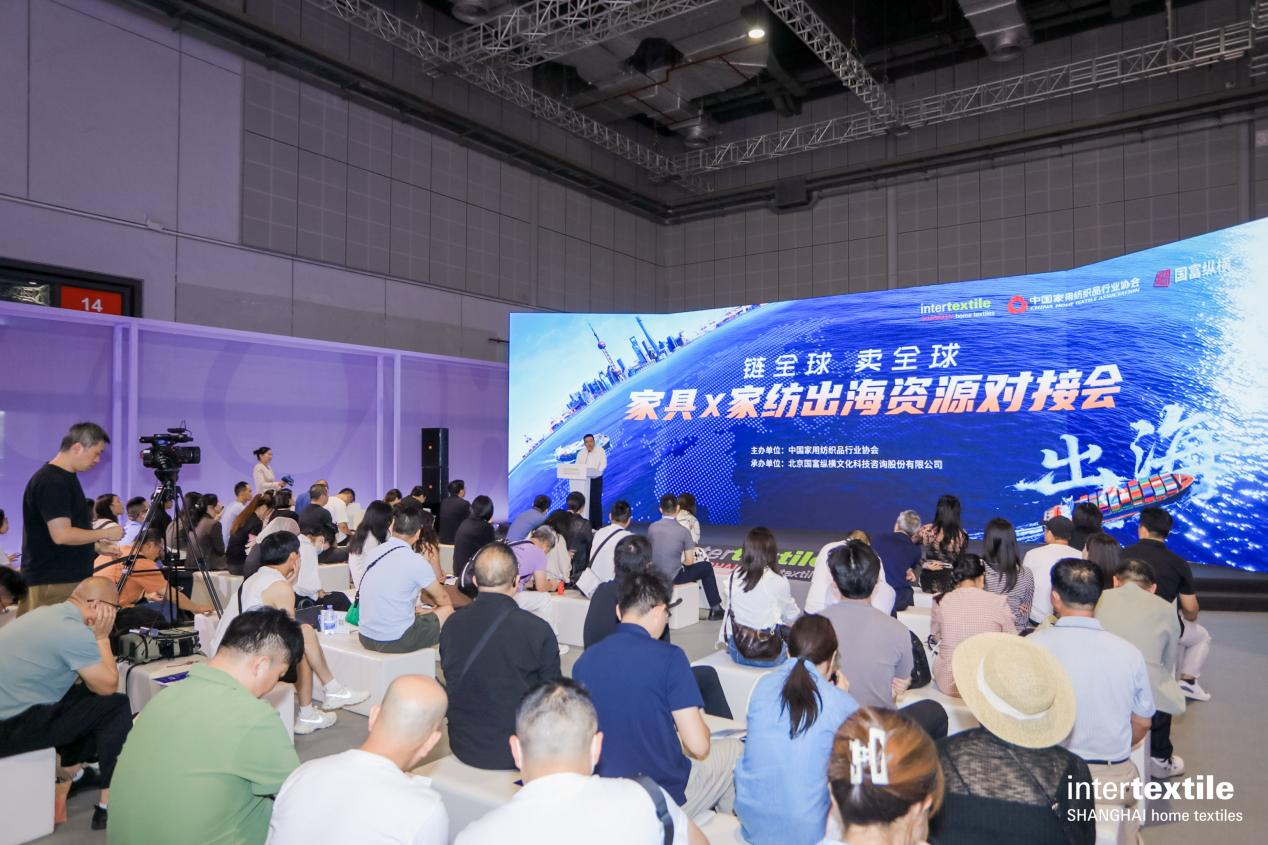
On the second day of Intertextile Shanghai Home Textiles Autumn 2026, the Furniture × Home Textile Global Expansion Resource Matching Event was successfully held at the Forum Area of Hall 5.1. Jointly organized by Intertextile Shanghai Home Textiles Autumn and Beijing Guofuzongheng, the event was themed “Connecting Global Resources, Expanding into Global Markets” and brought together leading home furnishing brands and industry experts to explore pathways and opportunities for Chinese furniture and home textile companies to expand internationally through coordinated development.
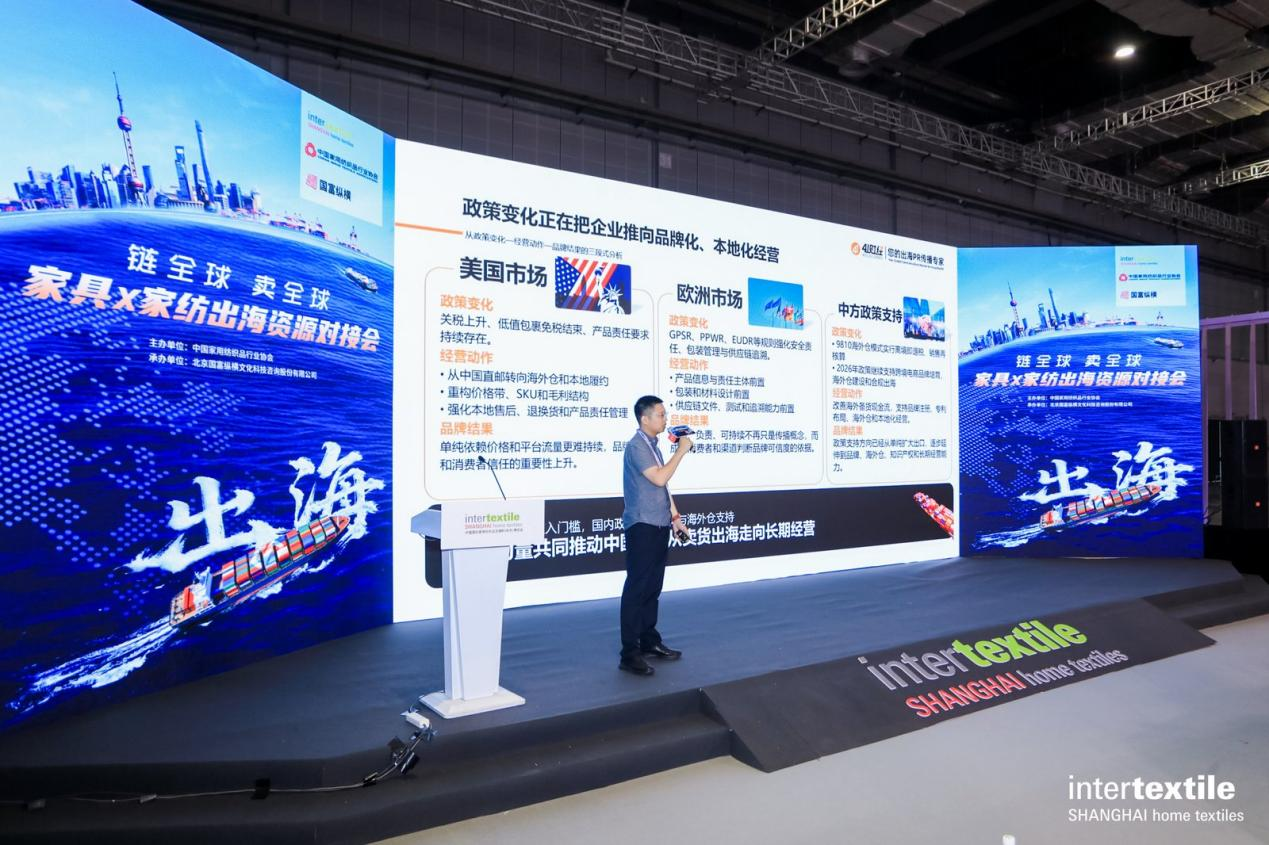
On the afternoon of August 19, Zhou Xuechun, Head of the East China Division at 41Caijing, delivered a keynote speech titled “Marketing Opportunities and Challenges for Chinese Home Furnishing Brands Going Global: Strategies and Practices in the Globalization Journey” at the Furniture × Home Textile Global Expansion Resource Matching Event of Intertextile Shanghai Home Textiles Autumn 2026.
Zhou noted that the global home consumption market continues to demonstrate strong resilience. In 2025, the global furniture market was valued at approximately USD 786.1 billion, while the home textile market reached around USD 230.9 billion. However, affected by changes in the international trade environment, China’s furniture exports totaled approximately USD 67.81 billion in 2025, down 5.9% year-on-year. The era of extensive growth has come to an end.
Breaking Category Barriers and Building a Global Home Furnishing Ecosystem
During his speech, Zhou pointed out that Chinese home furnishing and home textile brands are transitioning from the “Going Global 1.0” stage to “Going Global 2.0”, where the core of competition is shifting from supply chains and distribution channels toward brand building and consumer trust. He emphasized that Chinese home furnishing brands are essentially facing three major challenges: being seen, being trusted, and being loved. The role of brand communication is to gradually reduce consumers’ barriers in awareness, trust, and cultural connection.
In response to changes in the global regulatory environment, Zhou highlighted compliance trends in the US and European markets. He explained that rising US tariffs and the termination of duty-free treatment for low-value shipments are pushing companies to move from direct shipping from China toward overseas warehouses and localized fulfillment models. Meanwhile, EU regulations such as GPSR, PPWR, and EUDR are strengthening requirements for product safety, packaging management, and supply chain traceability.
According to Zhou, compliance is becoming a measurable foundation of brand trust. Brand claims such as high quality, environmental responsibility, and reliability are increasingly shifting from abstract messaging into evidence-based communication supported by standards, data, documentation, third-party verification, and real consumer experiences.
Different PR Marketing Approaches Deliver Significantly Different Results
Zhou also shared 41Caijing’s practical experience in global brand communication. Using a home furnishing brand served by 41Caijing as an example, he explained how the company helped the brand evolve from being recognized solely as an outdoor furniture provider into a lifestyle brand centered around “Live in Style,” integrating indoor and outdoor living scenarios.
Zhou suggested that home furnishing brands should move beyond fragmented communication focused on individual product launches and establish ongoing communication strategies centered around family lifestyle scenarios throughout the year.
During the event, Zhou systematically introduced the six key value loops created through the integration of overseas PR distribution and GEO marketing: brand exposure, authoritative media endorsement, Google SEO indexing, GEO AI visibility, targeted traffic acquisition, and sales conversion.
Leveraging a global media network covering 199 countries with a database of more than 510,000 journalists, together with GEO growth systems, 41Caijing has helped numerous Chinese home furnishing brands establish a global communication infrastructure designed to achieve long-term visibility, credibility, and recommendation.
Collaborative Global Expansion, A Promising Future
Representatives from TikTok Shop, Wayfair, and Ruitong International Home Furnishings also shared cross-border business strategies during the event. Participants agreed that as compliance requirements continue to rise, building a global communication infrastructure centered on brand value will be essential for Chinese home furnishing companies seeking sustainable international growth.
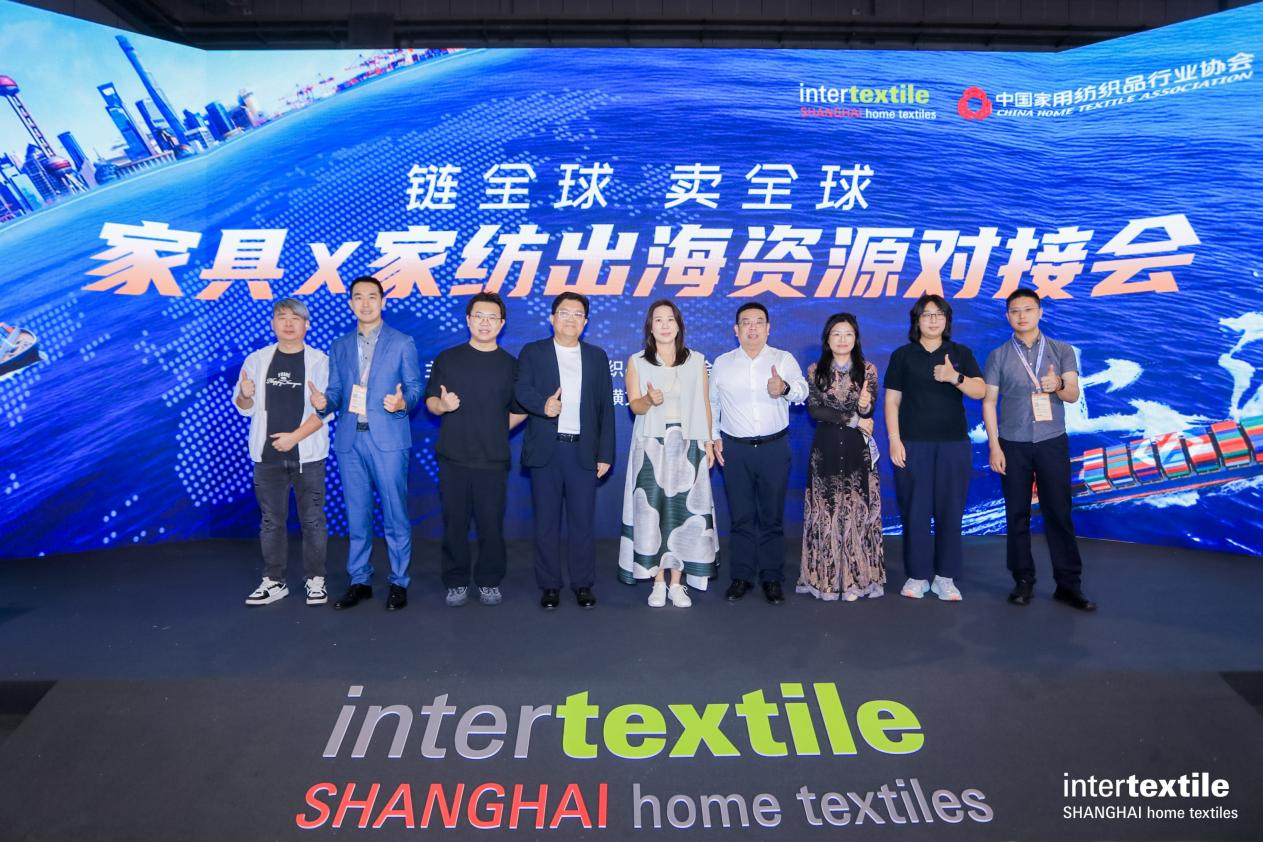
The event not only provided a platform for industry exchange and strategic discussions but also facilitated one-on-one resource matching among representatives from furniture, home textiles, cross-border e-commerce, and integrated design solution sectors.
As the global home textile market undergoes profound transformation, Chinese home furnishing and home textile brands are entering a new chapter of international growth. 41Caijing will continue to focus on global brand communication, PR distribution, GEO optimization, and content marketing, helping more Chinese home furnishing brands transition from selling products to selling lifestyles and build sustainable brand trust assets in global markets.
