RICHMOND, R.I., Dec. 18, 2025 (GLOBE NEWSWIRE) -- What helps reactive dogs overcome fear and anxiety when traditional obedience training falls short? According to a HelloNation article featuring Certified Professional Dog Trainer, Brian Manning of Canine Behavioral Services Inc., the answer lies in the natural process of Social Facilitation. This approach allows dogs to learn emotional stability and confidence by observing and spending time with calm, behaviorally and emotionally balanced dogs in a structured pack setting.
Manning explains in the article that reactive dogs often struggle not because of disobedience, but because of underlying emotional tension. Fear, uncertainty, and insecurity can shape their responses to people, sounds, and other animals. While verbal commands can sometimes manage behavior in controlled situations, they fail to reach the deep-seated root causes of the undesirable behavior. Social facilitation bridges that gap by engaging the dog’s natural instincts to observe, imitate, and adjust their own behavior within a social group.
Dogs are social by nature, and their ability to learn through group observation is a core function of social facilitation. When a reactive or anxious dog is placed among calm dogs that model balanced emotions and reactions, learning occurs naturally. Manning’s insights show that these dogs, immediately upon encountering a group of dogs, begin to notice how the pack reacts to everyday stimuli, like noises, movement, or unfamiliar people, and start mirroring those steady responses. This helps the dog reduce tension without feeling pressured to perform or obey on command.
Through this process, reactive dogs begin to feel emotionally safer. Manning emphasizes that many such dogs act out because they feel solely responsible for monitoring their environment. Within a structured pack, the presence of calm dogs teaches them that they are not alone in maintaining safety. The balanced group provides constant, silent reassurance. Over time, this relieves the mental and emotional load that often fuels reactivity, allowing the dog to relax and adapt.
One of the most powerful aspects of social facilitation is its capacity to create a sense of belonging. Reactive dogs often feel isolated from both humans and other animals because of their heightened reactions. When introduced into a balanced group, they gain exposure to subtle social cues: how the pack shares space, moves together, and responds to leadership. Manning explains that this inclusion fosters trust and connection, reshaping the dog’s emotional outlook. The once-anxious dog begins to understand that calmness is both safe and socially reinforced.
Unlike rigid obedience drills, social facilitation does not rely on compliance to verbal commands, dominance, or strict control. Manning notes that the method works through quiet modeling rather than control or confrontation. The calm dogs in the group do not correct the reactive dog directly. Instead, their steady, relaxed behavior provides a living example of calm confidence. This natural influence helps the reactive dog transition from fear-based responses to balanced, measured reactions.
The success of this method depends heavily on maintaining structured pack dynamics. Not every group of dogs can provide the right learning environment. Manning stresses that a productive pack must consist of stable, well-socialized dogs who can communicate calmly and clearly. This structure ensures safety while allowing the reactive dog to learn organically. The environment itself becomes the teacher, giving the dog safe exposure to challenges it could not handle alone.
Manning also highlights the importance of supervised outdoor walks. Moving together as a structured pack deepens the lessons learned within the group. Each step reinforces a sense of security, as the reactive dog witnesses others handling stimuli, like noises or passersby, without fear. These shared experiences teach the reactive dog that the world is less threatening than it once believed. Gradually, the new emotional patterns replace old habits, resulting in more confident behavior both on and off-leash.
A key advantage of social facilitation is that it allows for progress at an individual’s own pace. Some reactive dogs observe and learn quietly at first, while others begin participating sooner. Manning’s approach values both paths, emphasizing that genuine growth happens without pressure. Because learning comes from social observation rather than force, the dog’s nervous system remains calm enough to internalize new behaviors.
As the reactive dog becomes more stable within the structured pack, compliance with human directives becomes more consistent. Requests that once triggered anxiety are now complied with as the dog feels safer. Manning explains that combining this emotional stability with consistent force-free training makes lasting behavioral change possible. The result is a behaviorally balanced, confident companion capable of making healthy, predictable choices even in unpredictable settings.
In essence, social facilitation transforms the way reactive dogs experience and feel about the world. The presence of calm dogs models emotional balance, helping reactive dogs replace tension with trust. Over time, they stop reacting out of fear and start responding from a place of confidence. Manning’s insights reveal that this natural learning process can reach emotional depths that obedience training simply cannot, turning pack dynamics into a living lesson in safety and stability.
The article, How Social Facilitation Can Help Reactive Dogs, features insights from Brian Manning, Dog Behavior Training Expert, in HelloNation.
About HelloNation
HelloNation is a premier media platform that connects readers with trusted professionals and businesses across various industries. Through its innovative “edvertising” approach that blends educational content and storytelling, HelloNation delivers expert-driven articles that inform, inspire, and empower. Covering topics from home improvement and health to business strategy and lifestyle, HelloNation highlights leaders making a meaningful impact in their communities.
Patrick McCabe
info@hellonation.com
www.hellonation.com
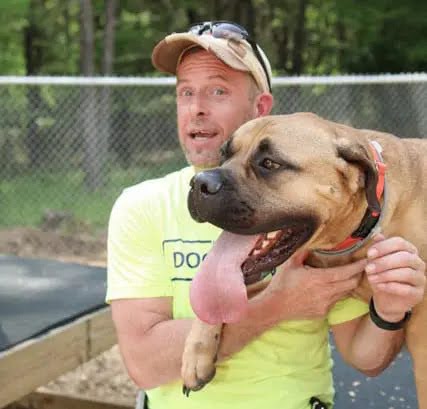
A photo accompanying this announcement is available at https://www.globenewswire.com/NewsRoom/AttachmentNg/db61f75f-2880-4744-b9a1-02472bff5db7
