SPOKANE, Wash., Dec. 23, 2025 (GLOBE NEWSWIRE) -- What do the small lines or numbers stamped on a bolt actually mean, and why do they matter? In an article featured on HelloNation, Tanner Chaffin of Action Fasteners & Supply in Spokane, Washington, explains how to read bolt strength markings and why these symbols are critical for safety and performance. His guidance helps builders, mechanics, and technicians understand how nut and bolt strength impacts machinery, structural work, and everyday repairs.
Chaffin notes that bolts may appear similar in size and shape, but the markings on their heads reveal their true load capacity. These markings, called bolt strength markings, are essential identifiers of a fastener’s grade. Without them, workers could mistakenly use hardware that is too weak for a given application, which can lead to expensive or dangerous failures. Choosing the right grade ensures steel bolts perform as intended under stress.
Most steel bolts display a head marking that identifies grade and strength. A Grade 5 bolt, for instance, typically shows three evenly spaced radial lines. It is considered a mid-strength option, ideal for machinery and automotive work. By contrast, a Grade 8 bolt displays six radial lines and provides heavy-duty strength for suspension systems, high-vibration environments, and demanding structural applications. Recognizing these markings allows workers to quickly match the right fastener to the right job.
Unmarked bolts, Chaffin explains, should not be mistaken for high-strength fasteners. In most cases, a plain head indicates the lowest grade, intended only for light-duty uses where the risk of failure is minimal. Relying on unmarked hardware for demanding applications creates unnecessary risks. Instead, reading and understanding bolt strength markings gives workers confidence in the load ratings and compatibility of each fastener.
Equally important is pairing nuts and bolts of the same grade. A strong bolt matched with a weaker nut undermines the overall connection and reduces capacity. Nut and bolt strength must be evaluated together, and markings on both components provide important compatibility information. This consistency helps prevent imbalance that could otherwise result in equipment failure under stress.
Reference charts are another key tool for builders and technicians. These charts compare head markings, tensile strengths, and recommended uses. A Grade 5 bolt may be cost-effective and sufficient for many mechanical tasks, while a Grade 8 bolt is the better choice for heavy equipment or high-impact projects. With charts, workers can balance safety, efficiency, and budget without relying on guesswork.
Chaffin also points out that not all grading systems are the same worldwide. In the United States, SAE standards such as Grade 2, Grade 5 bolt, and Grade 8 bolt are widely used. In metric systems, bolts are marked with numbers such as 8.8, 10.9, or 12.9. A metric 10.9 bolt, for example, is similar in strength to an SAE Grade 8 bolt. Recognizing both SAE and metric head markings is vital for anyone working with international machinery or imported replacement parts.
Material adds another layer of complexity. Stainless steel bolts may not follow the same radial lines or number-based system as carbon steel bolts. Instead, they often use letters or alloy codes to indicate strength. Workers should not assume that a lack of radial lines means low quality. Instead, careful use of charts and awareness of material-specific conventions is key to avoiding mistakes.
Proper installation also determines whether fasteners perform as intended. Even with the correct grade, bolts can fail if over-tightened or under-tightened. A torque wrench and adherence to manufacturer guidelines ensure that nut and bolt strength is preserved. For critical work in automotive, aerospace, or construction industries, respecting torque specifications is as important as choosing the right grade.
Vibration, fluctuating loads, and environmental conditions further highlight the importance of bolt selection. A Grade 8 bolt is often recommended where durability and resistance to fatigue are required. At the same time, a Grade 5 bolt is often the smarter choice for general mechanical applications, balancing strength and cost. Chaffin’s advice helps workers avoid over-specifying or under-specifying hardware, which can save time and reduce risk.
Ultimately, knowing how to identify nut and bolt strength protects both people and equipment. Simple steps such as counting radial lines, checking head markings, and pairing components of the same grade ensure long-term reliability. As Chaffin explains in How to Identify Nut & Bolt Strength by Markings, understanding these details prevents costly mistakes and provides peace of mind across a wide range of applications.
About HelloNation
HelloNation is a premier media platform that connects readers with trusted professionals and businesses across various industries. Through its innovative “edvertising” approach that blends educational content and storytelling, HelloNation delivers expert-driven articles that inform, inspire, and empower. Covering topics from home improvement and health to business strategy and lifestyle, HelloNation highlights leaders making a meaningful impact in their communities.
Patrick McCabe
info@hellonation.com
www.hellonation.com
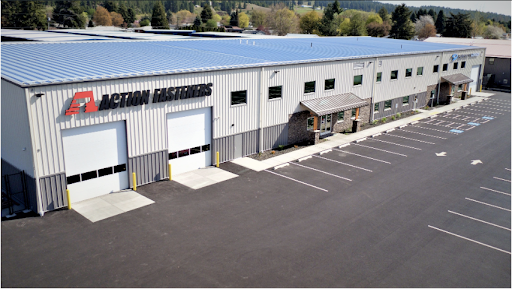
A photo accompanying this announcement is available at:
https://www.globenewswire.com/NewsRoom/AttachmentNg/c5c96d7a-1933-43f7-b0ce-4bf6758060ba
